
The PEACH Pit
Horses helping heal your heart and mind. Come join us at the barn.
Thrive After Service: Veterans Mental Health Support Essentials
Hey All!
The transition from military service to civilian life presents unique challenges for Veterans. Adjusting to new routines, workplaces and social environments can be stressful and many Veterans face mental health concerns, including anxiety, depression and PTSD. Providing structured support during this period is essential for promoting well-being, independence and successful reintegration.
Key challenges during the transition include navigating employment opportunities, accessing healthcare, reconnecting with family and establishing a sense of purpose outside of service. Social support networks, community programs and Veteran-specific resources play a critical role in easing these transitions. Access to mental health services, mentorship and career development initiatives has been shown to improve outcomes for returning servicemembers.
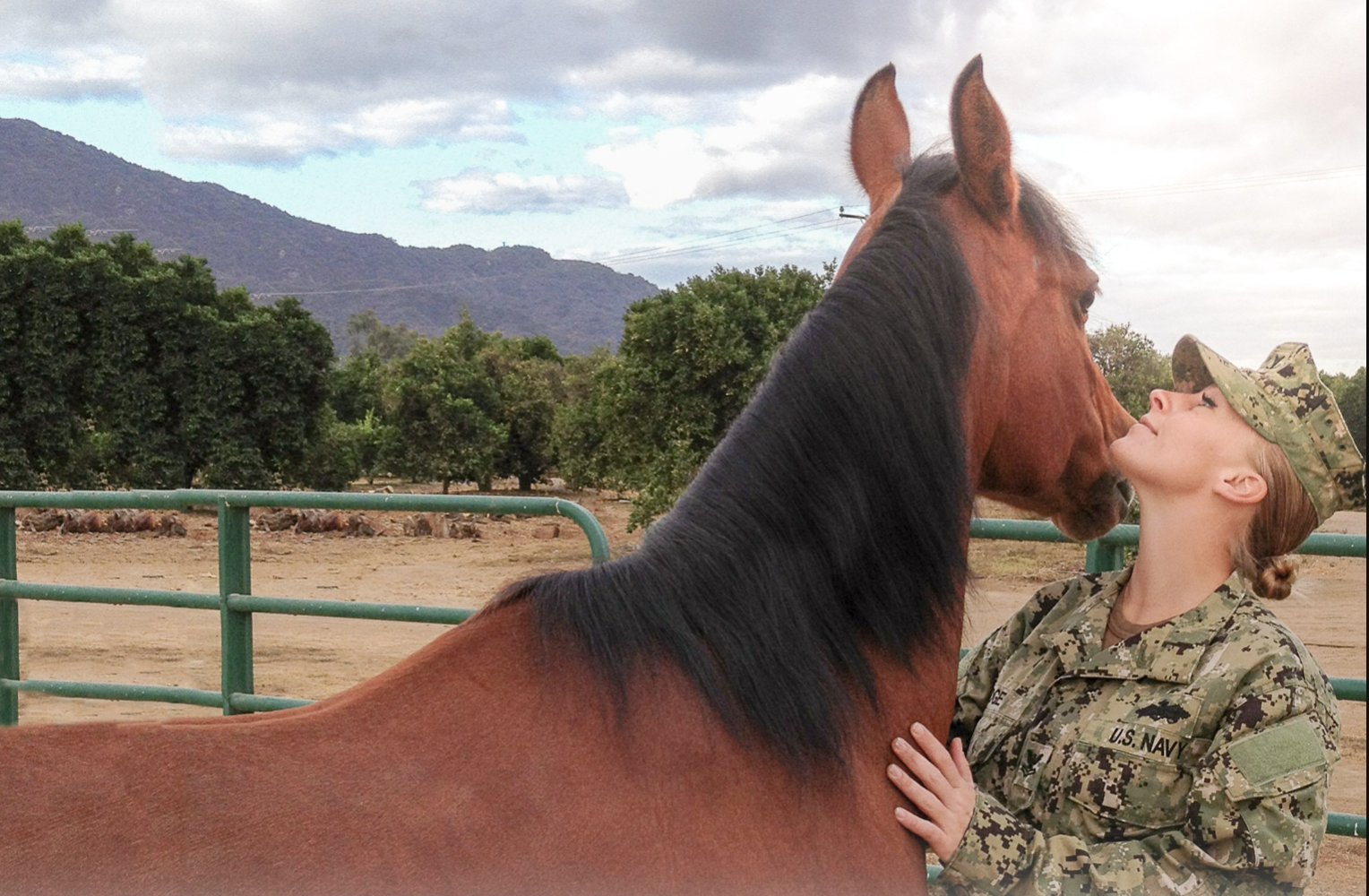
Organizations that provide trauma-informed care, peer support and skills-based programs are especially effective in addressing both emotional and practical needs. Programs such as equine-assisted psychotherapy, vocational training and counseling services can help Veterans manage stress, rebuild confidence and develop coping strategies for daily life.
Communities and families also have an important role in creating supportive environments. Encouraging open dialogue, fostering understanding of military experiences and connecting Veterans to resources reinforces stability and promotes positive adjustment.
Supporting Veterans is not a short-term effort but a sustained commitment. When organizations, communities and families collaborate to provide comprehensive support, Veterans are better equipped to navigate civilian life successfully, maintain mental wellness and thrive beyond service.
Thank you for your service, Veterans. Now, let your community give back to you. Call us at 478-827-3224.
How can I donate?

Buy on Amazon?

 The PEACH Pit