
The PEACH Pit
Horses helping heal your heart and mind. Come join us at the barn.
Scouts earn new badge
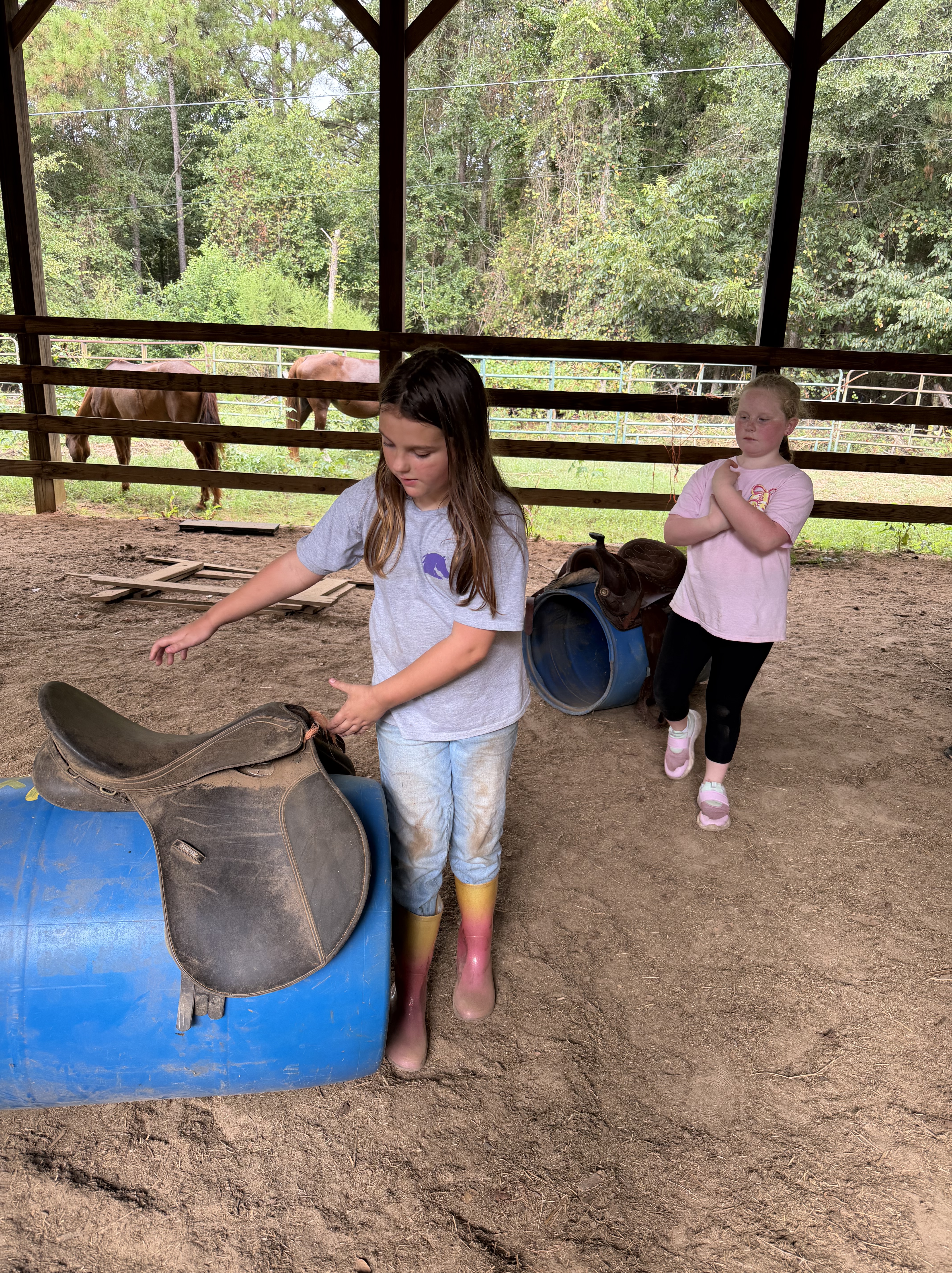
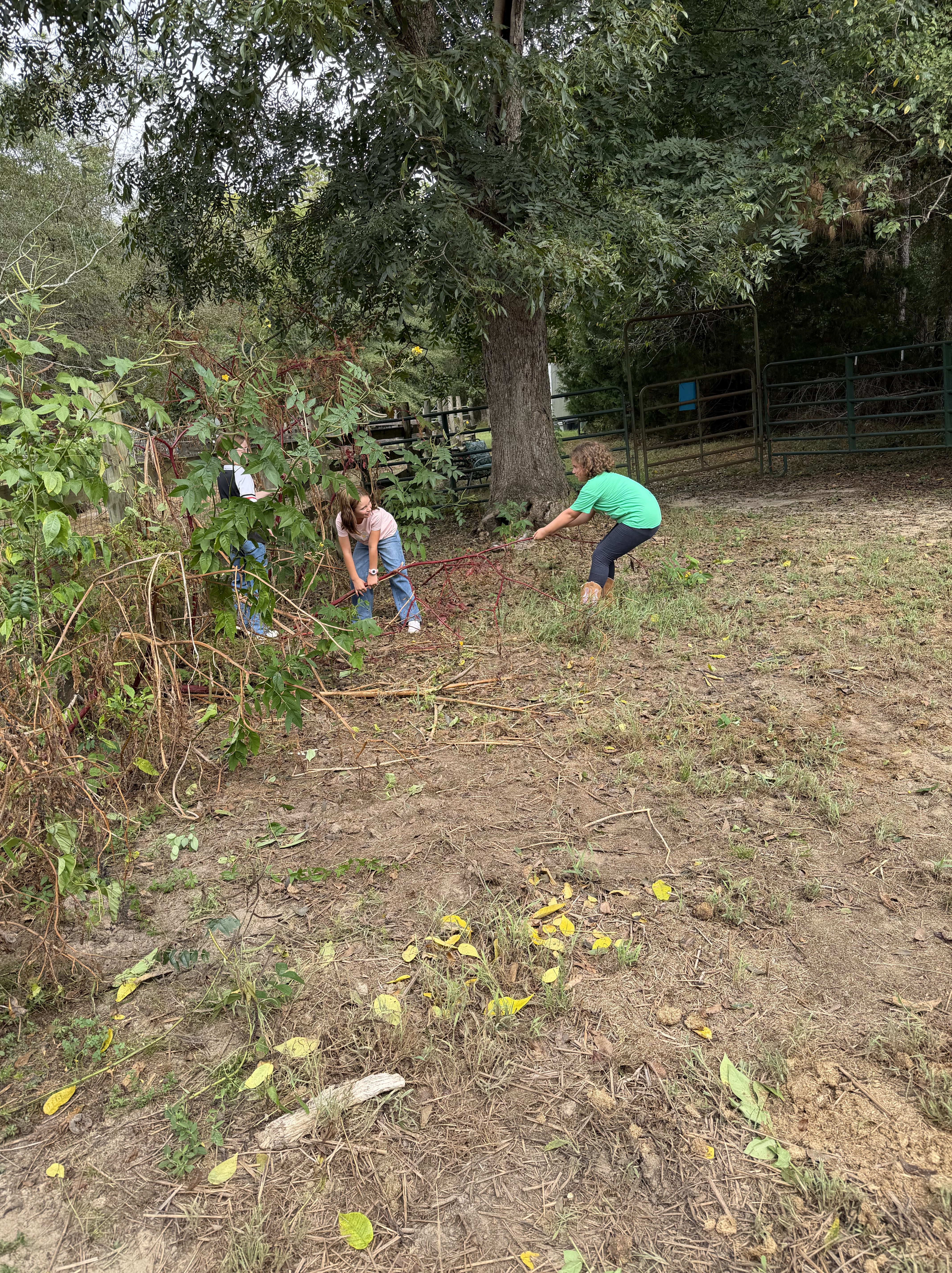
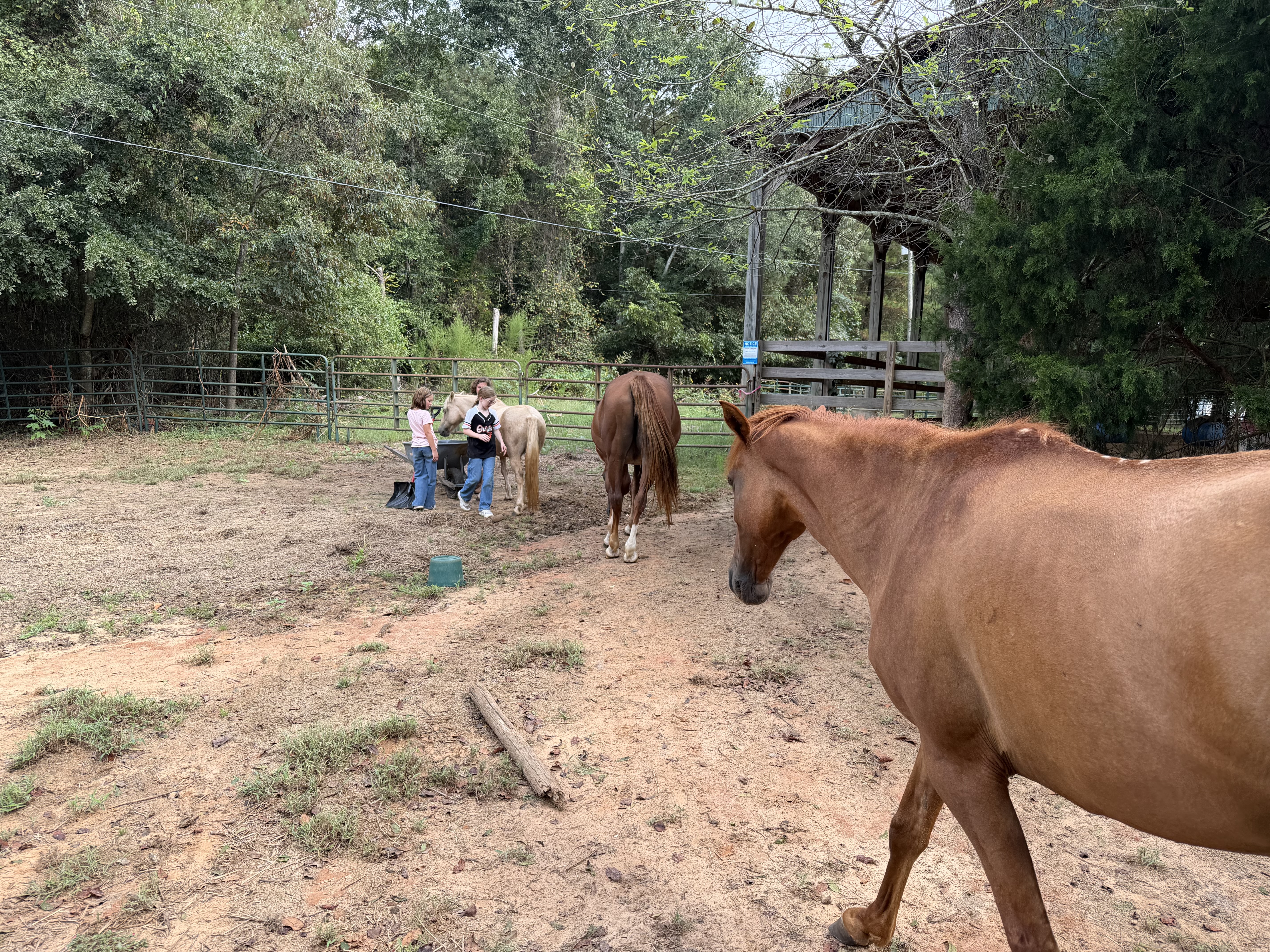
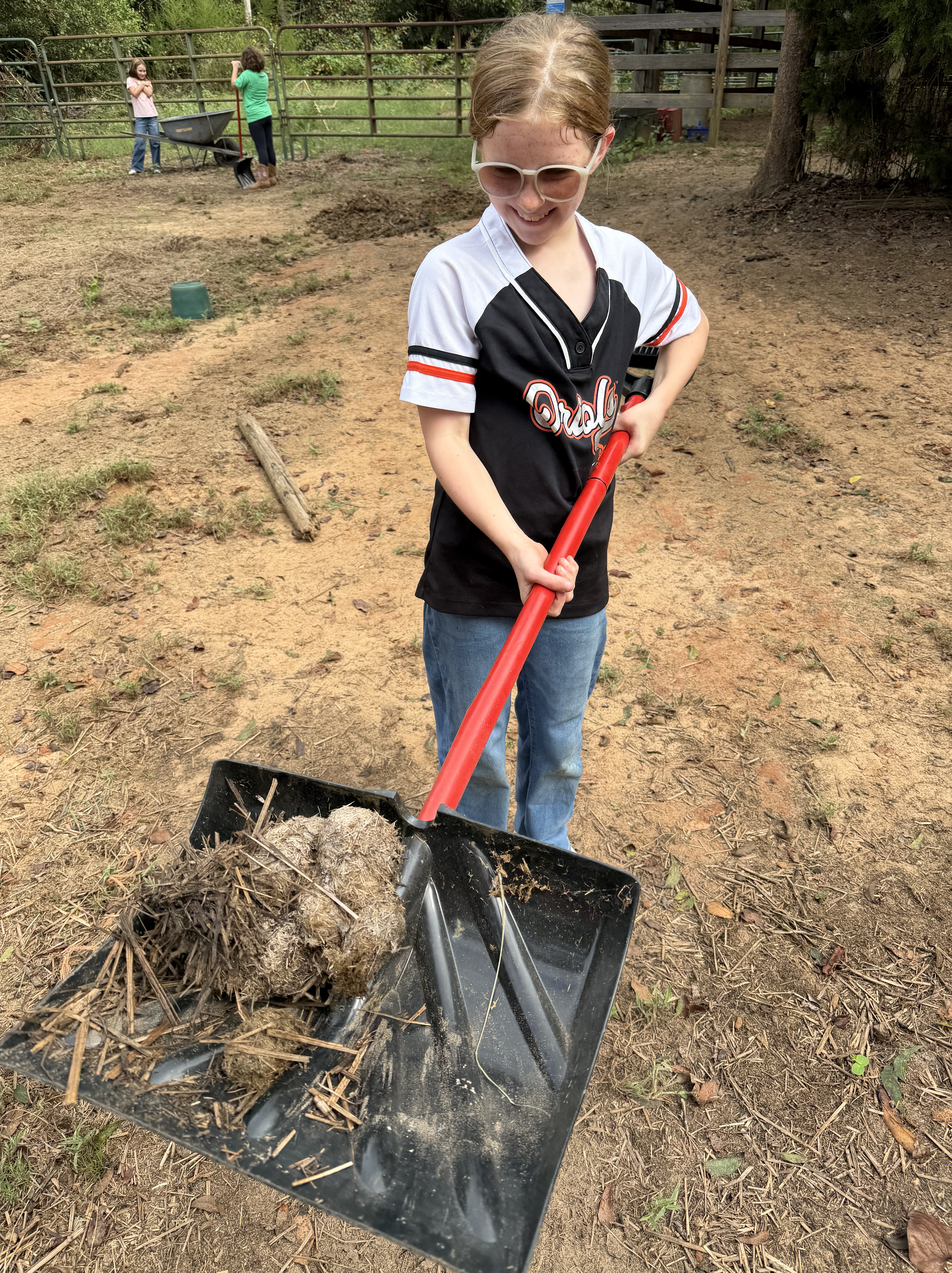
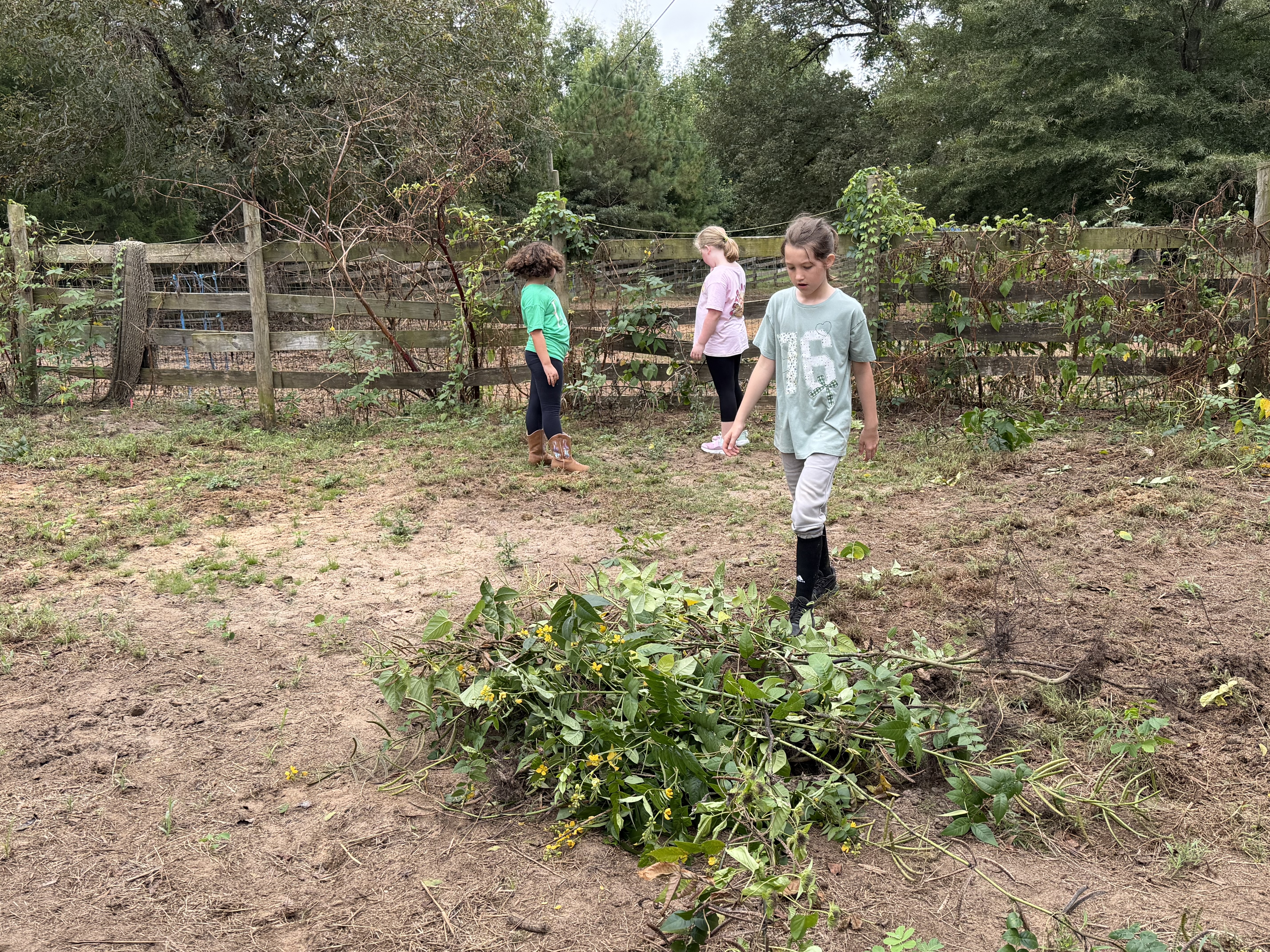
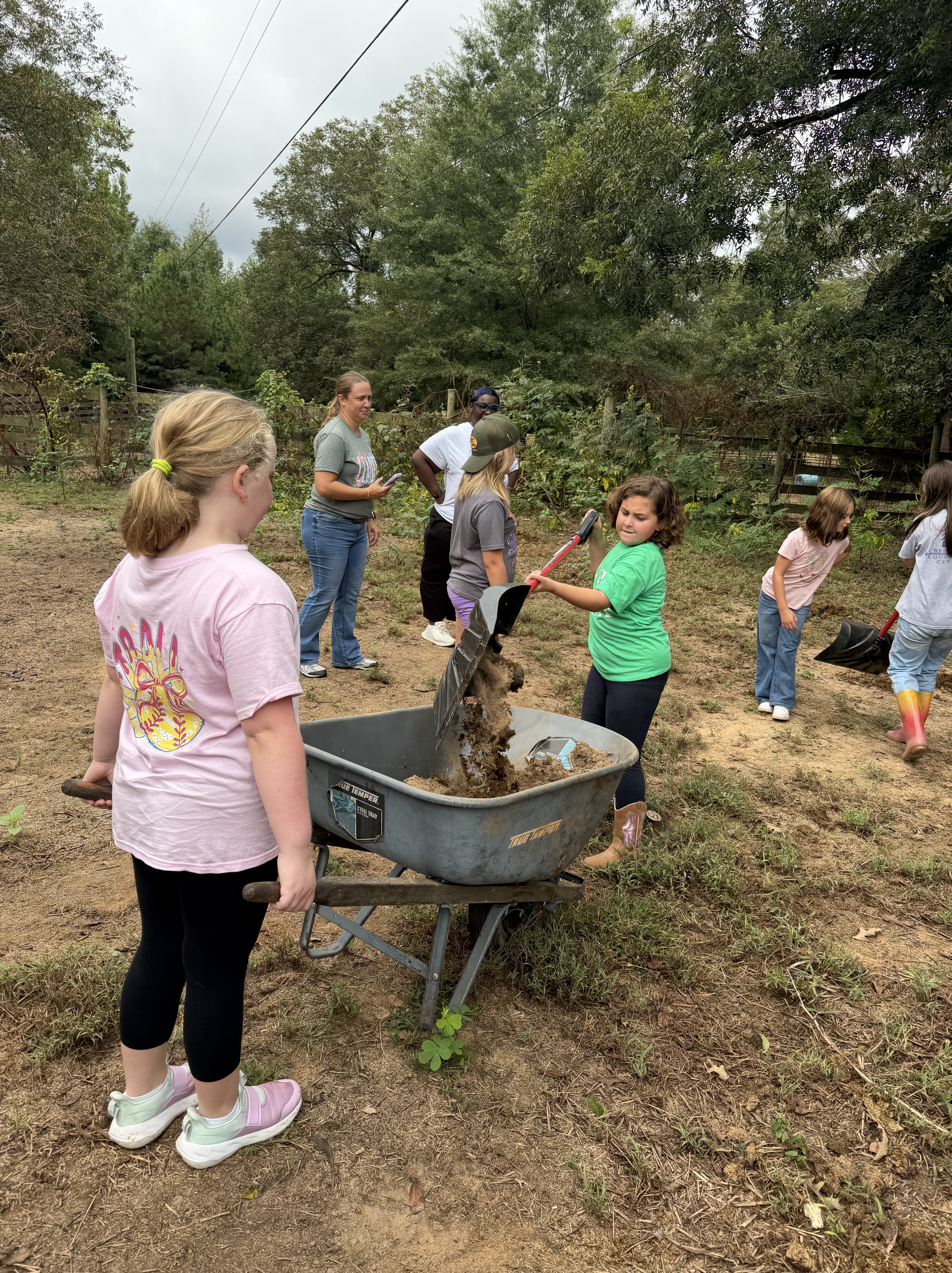
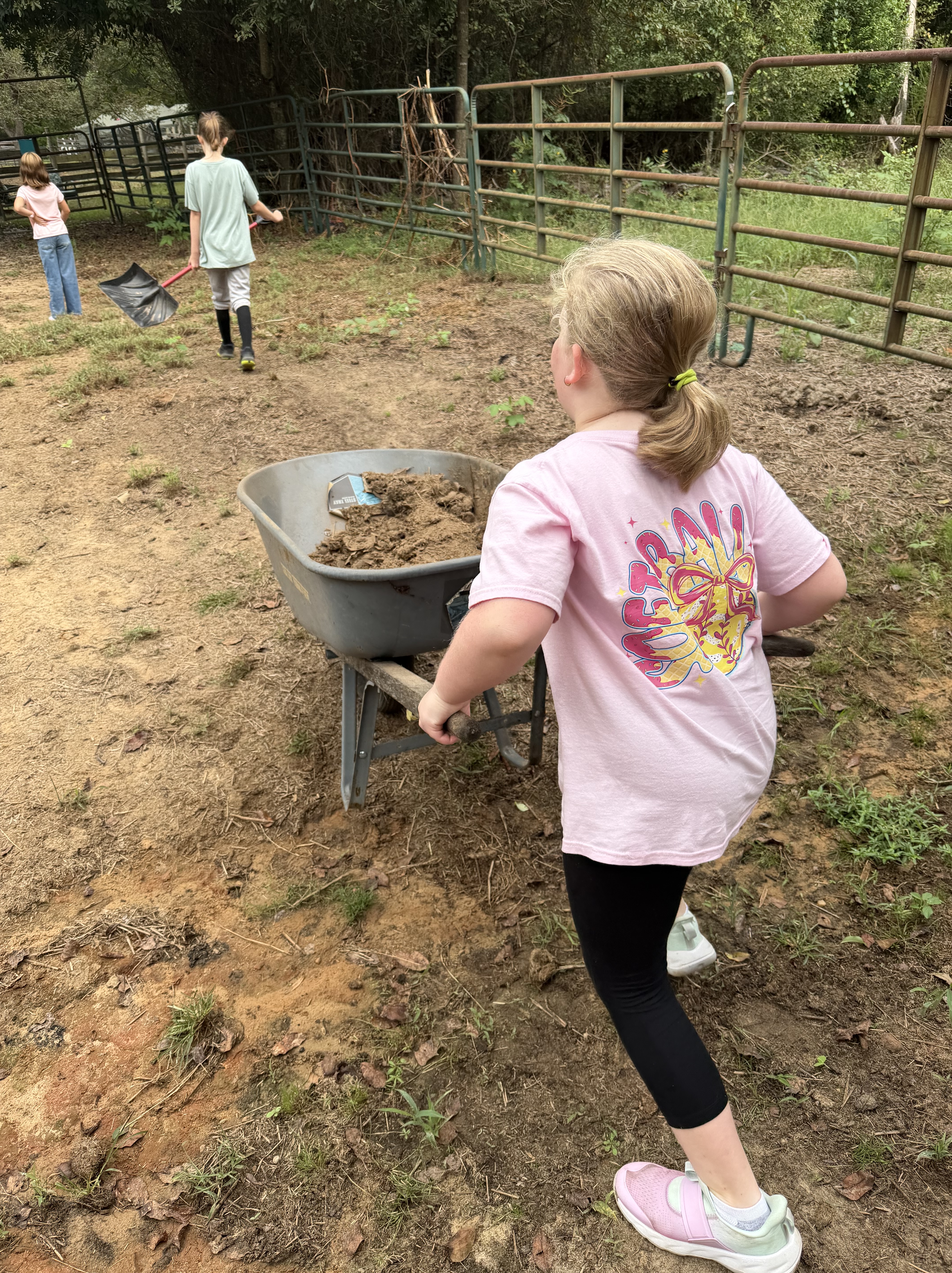
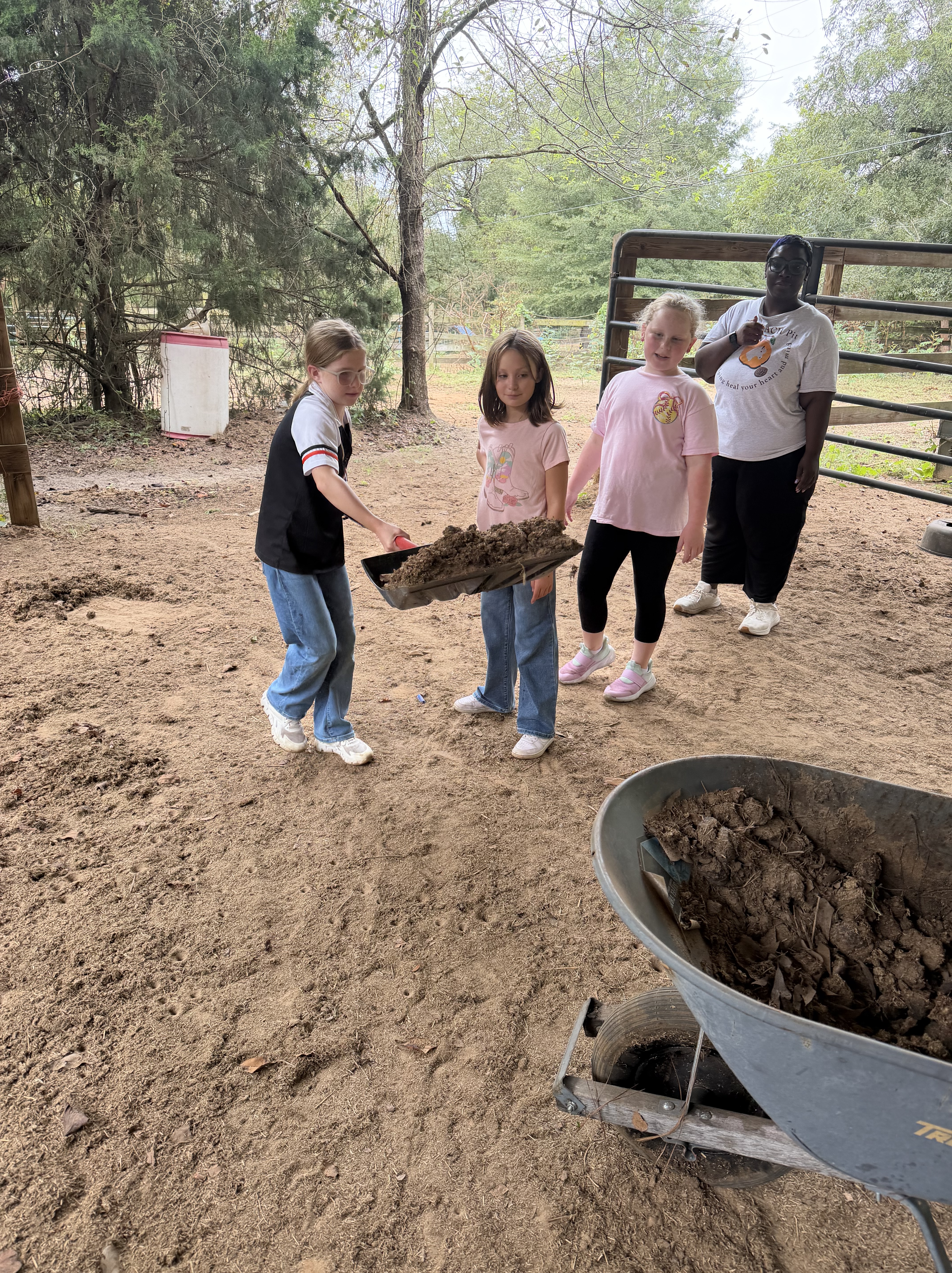
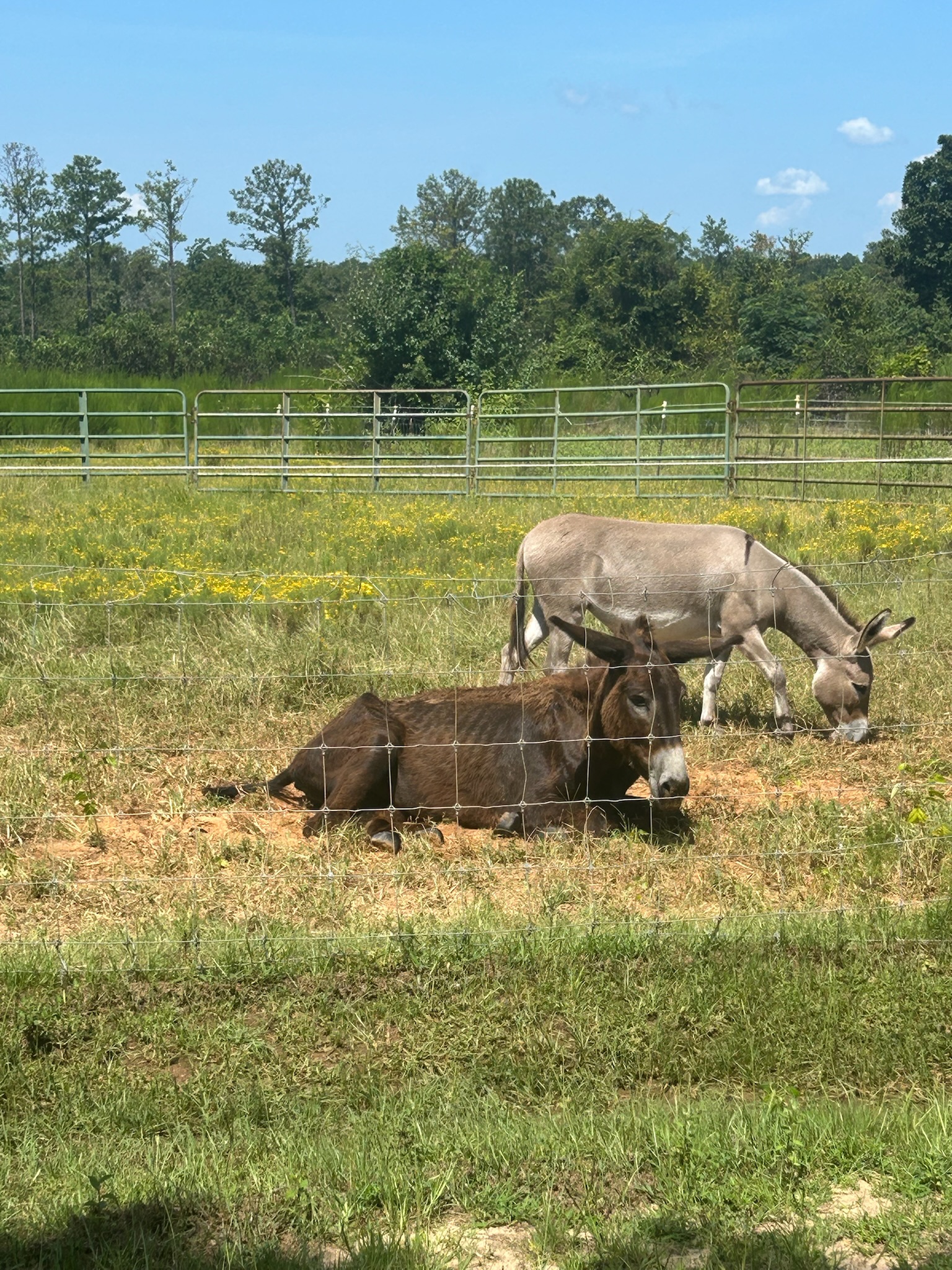
Nine-year old Scouts from Girl Scouts of Historic Georgia Troop 60157 worked on earning badges related to horse care and gardening. The seven girls were joined by two adult leaders for a morning of manual labor that included pulling weeds, shoveling manure and learning to care for horses. They fed the seven horses and two donkeys and learned about safety around the animals. They also learned differences and similarities between the English, Western and Australian saddles. Best of all, they learned the value of teamwork, whether pulling weeds, feeding or shoveling manure.
Horsepower and Heroes Camp
Pride. Consistency. Discipline. Strength. Resilience. Power. Healing. Growth.
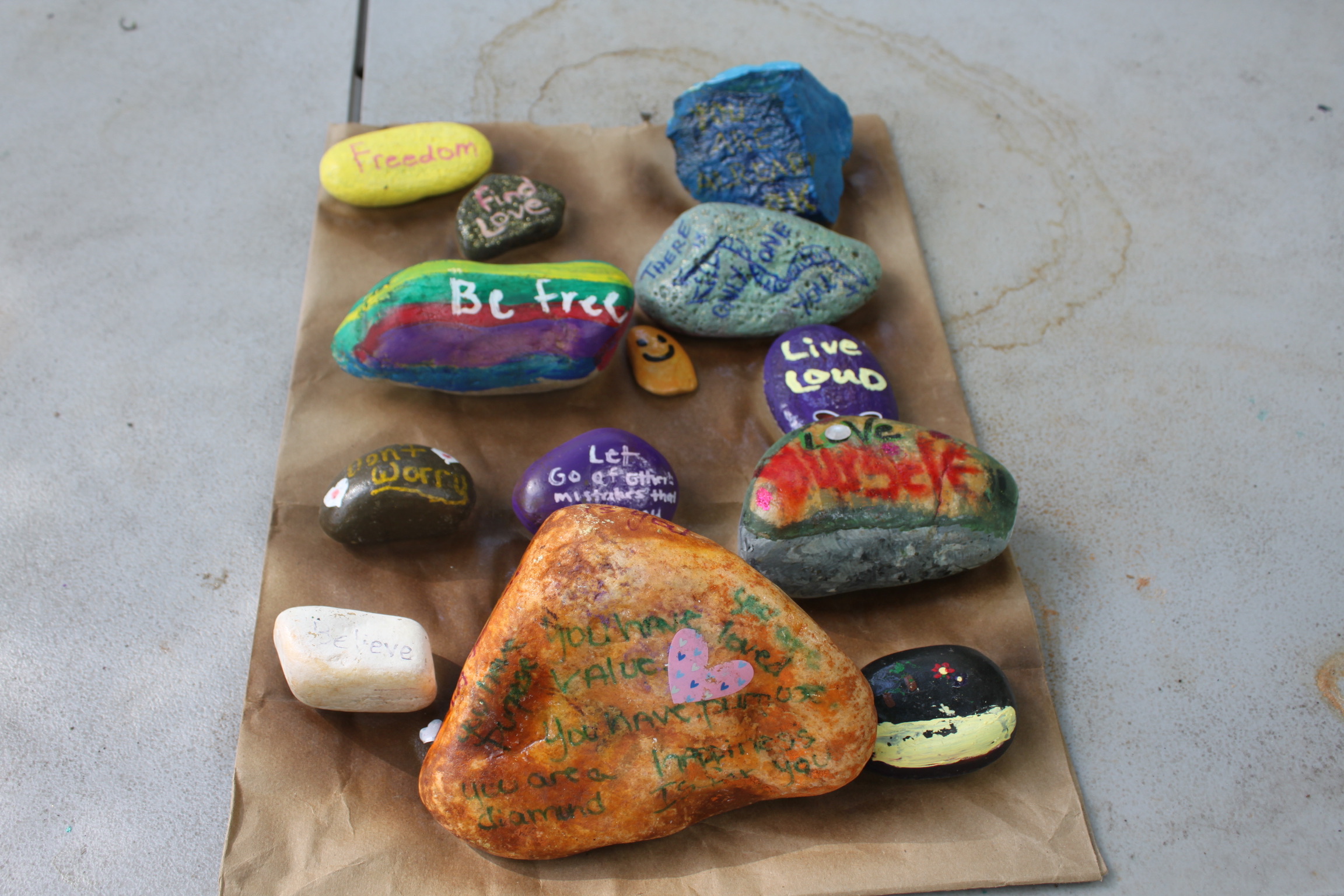
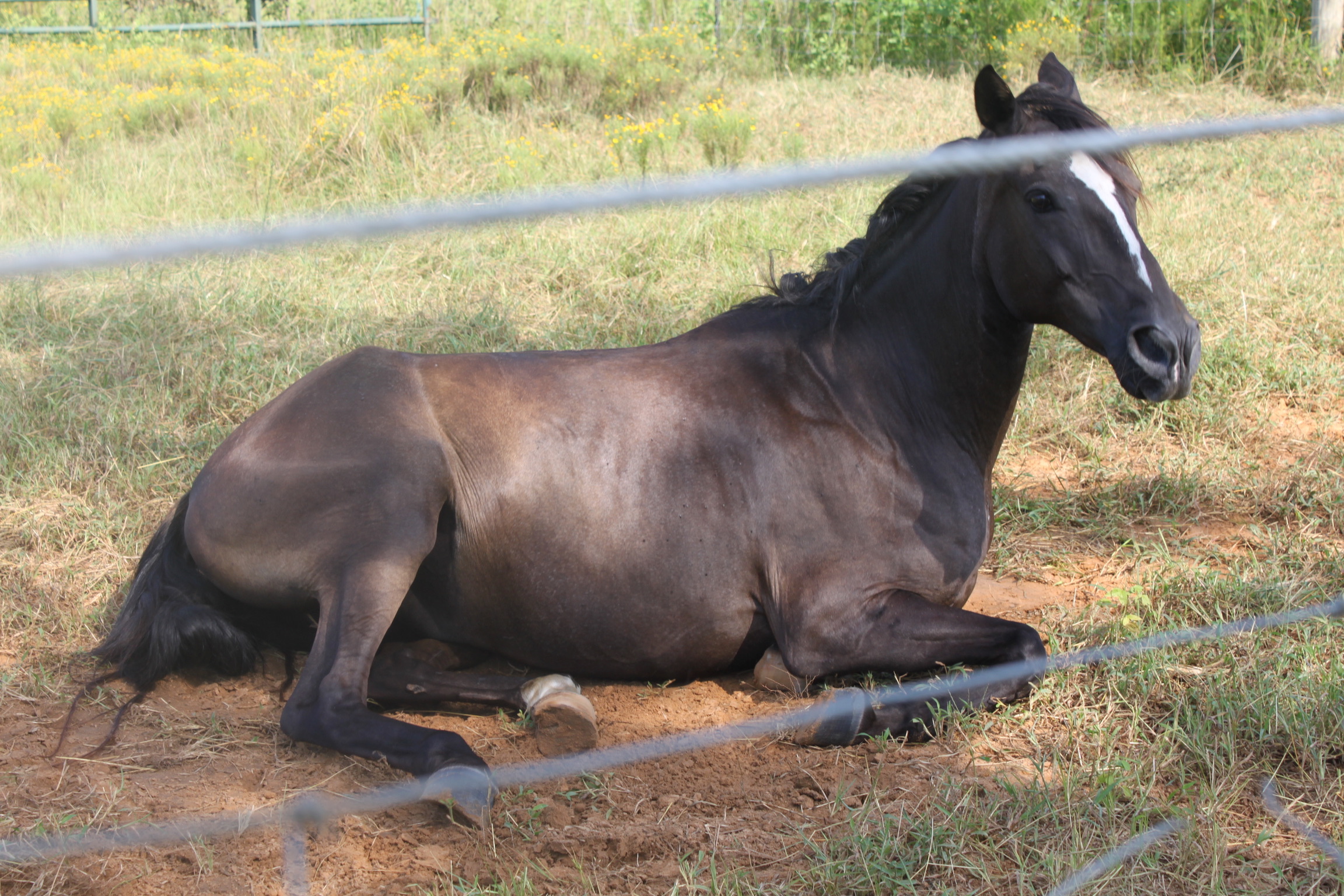
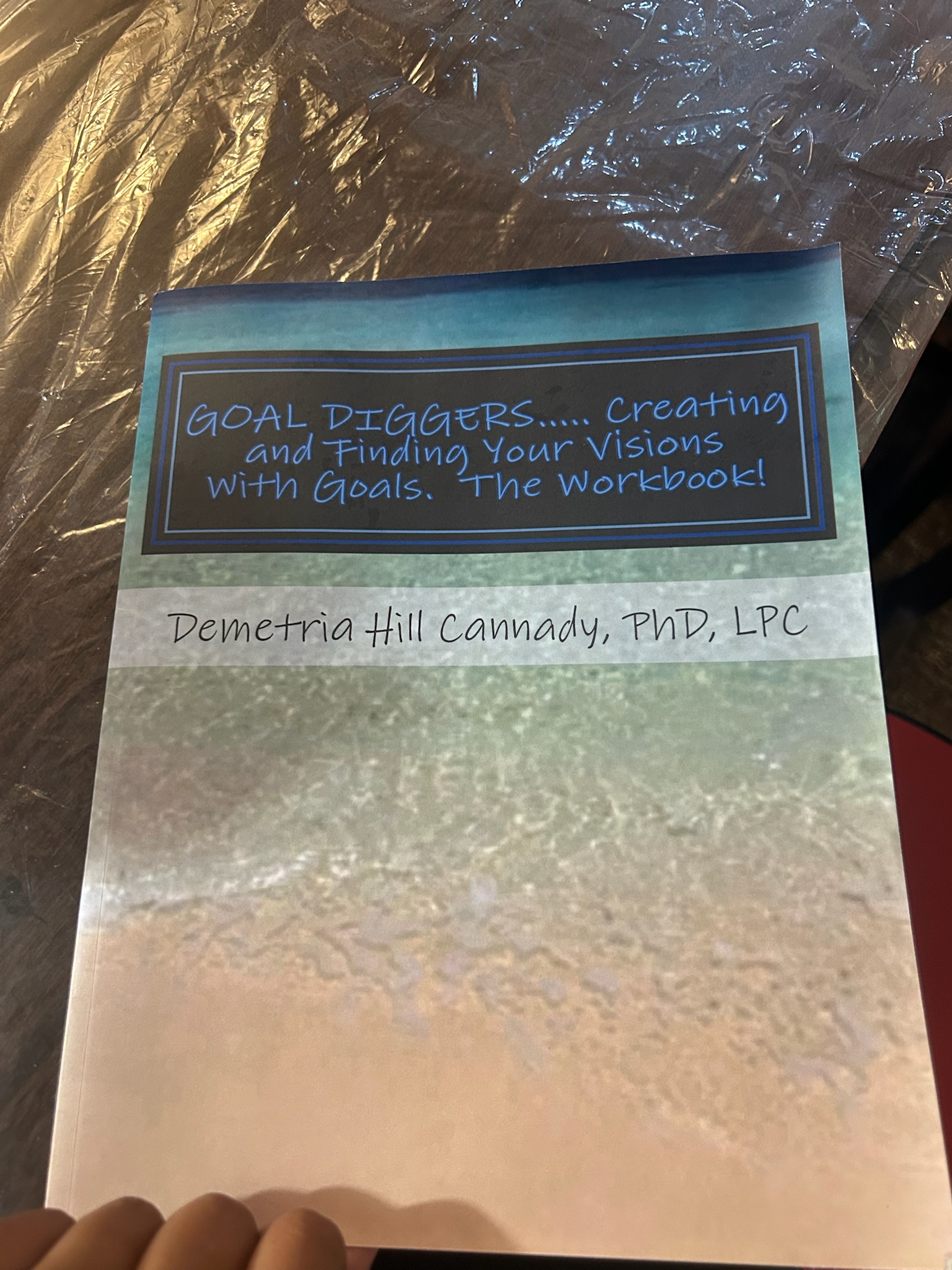
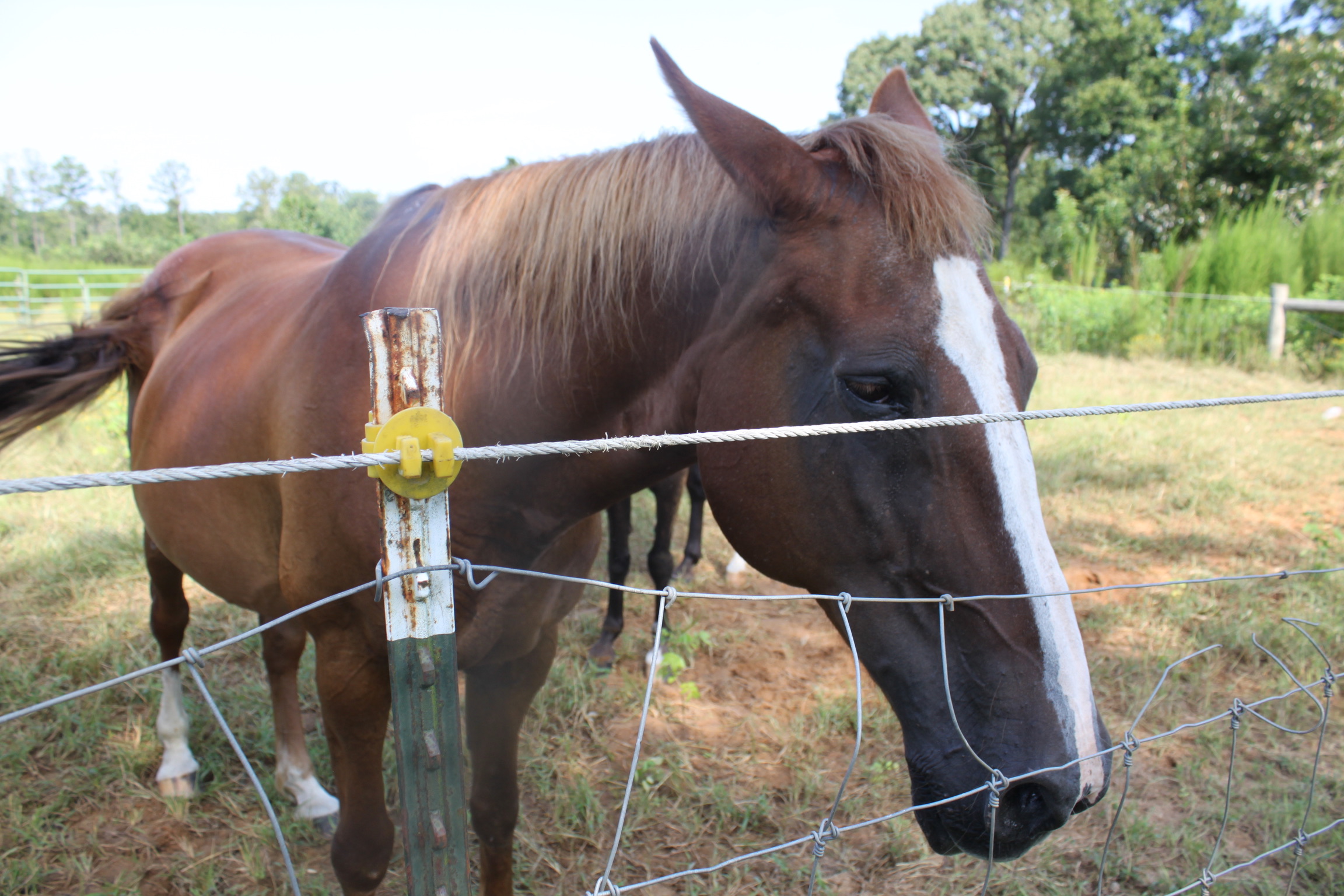
From the high-pressure environment of military service to navigating civilian life, four women Veterans discovered that their military bond didn’t end when they took off the uniform. The uniform comes off, but the drive to serve, connect, and thrive remains. Service shapes you forever, but what comes next is where the real story begins.
Meet the women of the Horsepower and Heroes Equine-Assisted Therapeutic Camp who stayed at The PEACH Pit for a whole week. Take a glance at their service, their civilian journeys, and how The PEACH Pit offered them a place to reset.
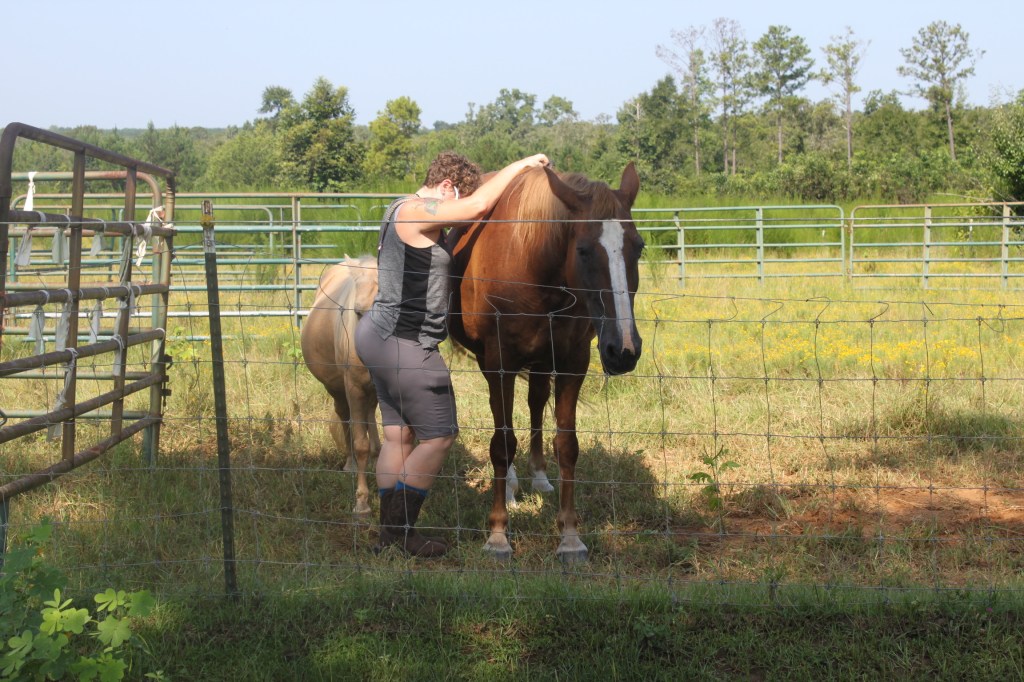
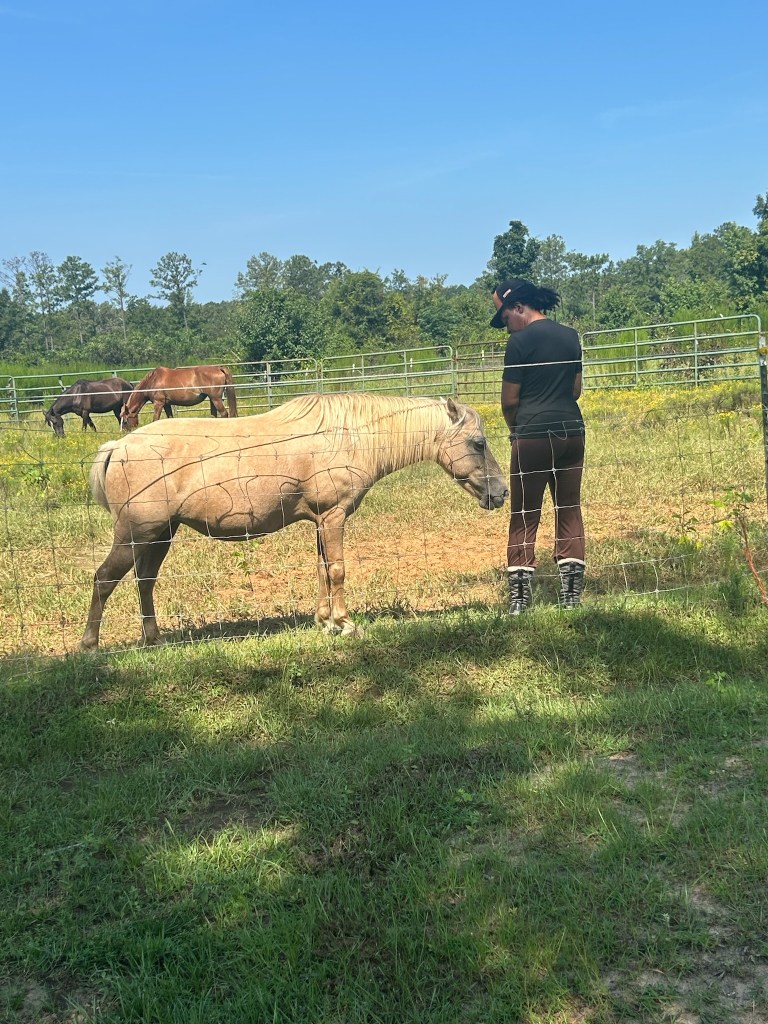
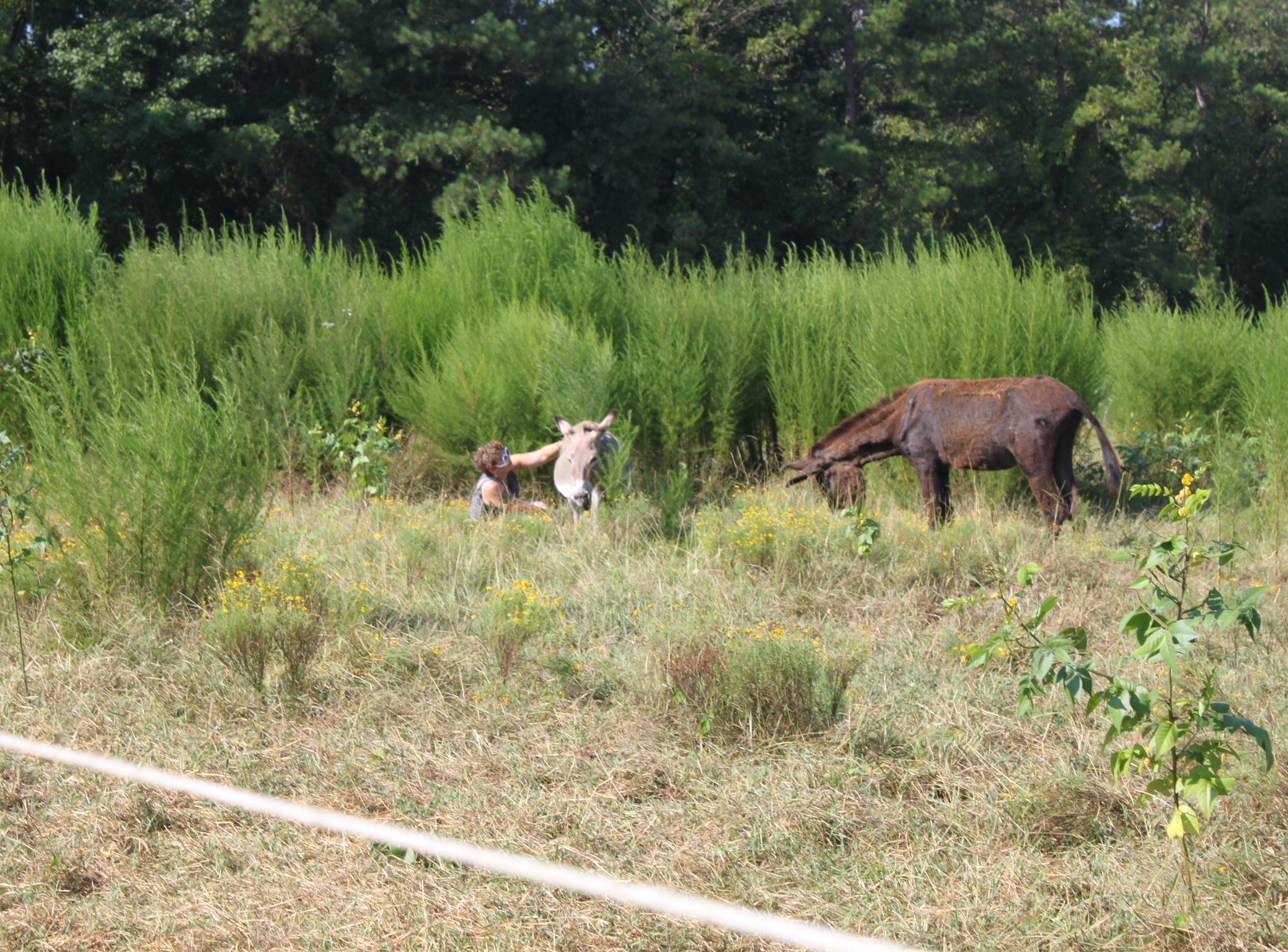
Adrienne | U.S. Marine Corps (8 Years)
- Military Service: Adrienne served eight years in ground supply, handling essential war gear and embracing the high-demand environment of the Marines. She entered at 18, motivated by family military history and a desire for a real challenge.
- Civilian Life: After leaving service as a highly motivated Marine, adjusting to civilian rhythms took time and adaptability. Channeling her energy into culinary arts, she built a career as a chef and instructor in Atlanta.
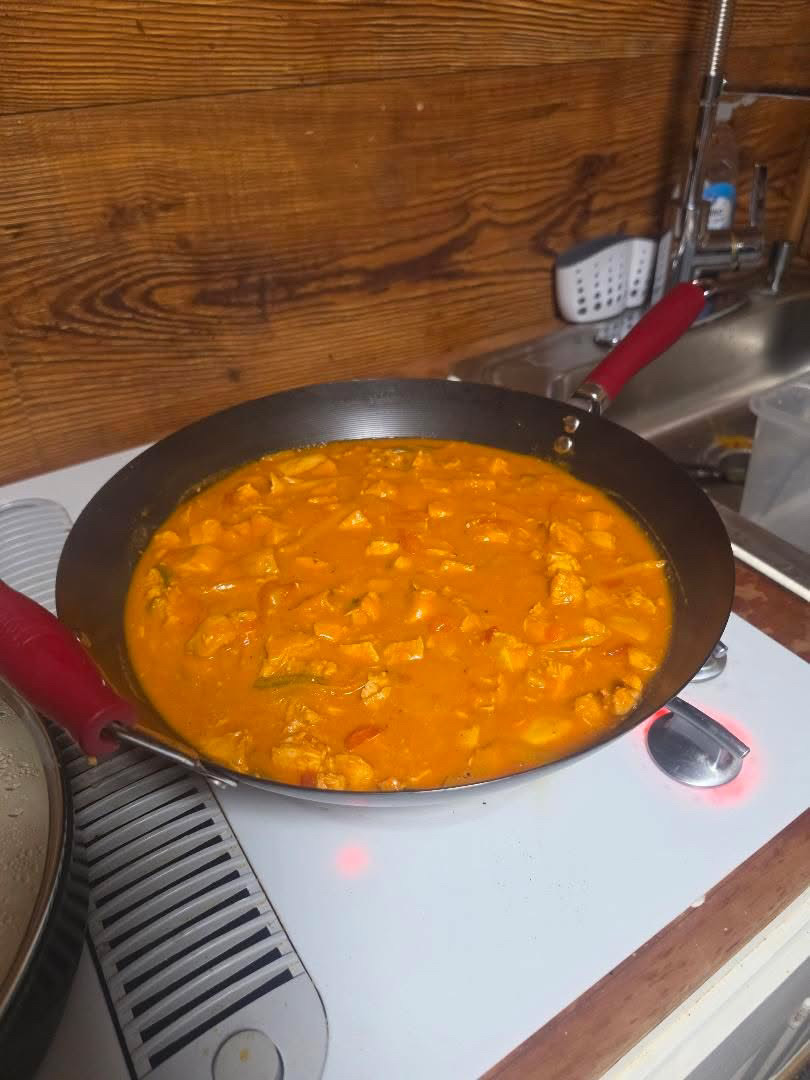
Adrienne story starts different in that she makes delicious dishes for the other Veterans during their stay. Her involvement in this organization is one commonly talked about because everyone enjoys her healthy options. She has been a chef for The PEACH Pit since 2024 but has also participated in a camp to immerse herself in its mission and recharge away from the daily grind.
(She preferred to have her pictures showcase her culinary skills.)
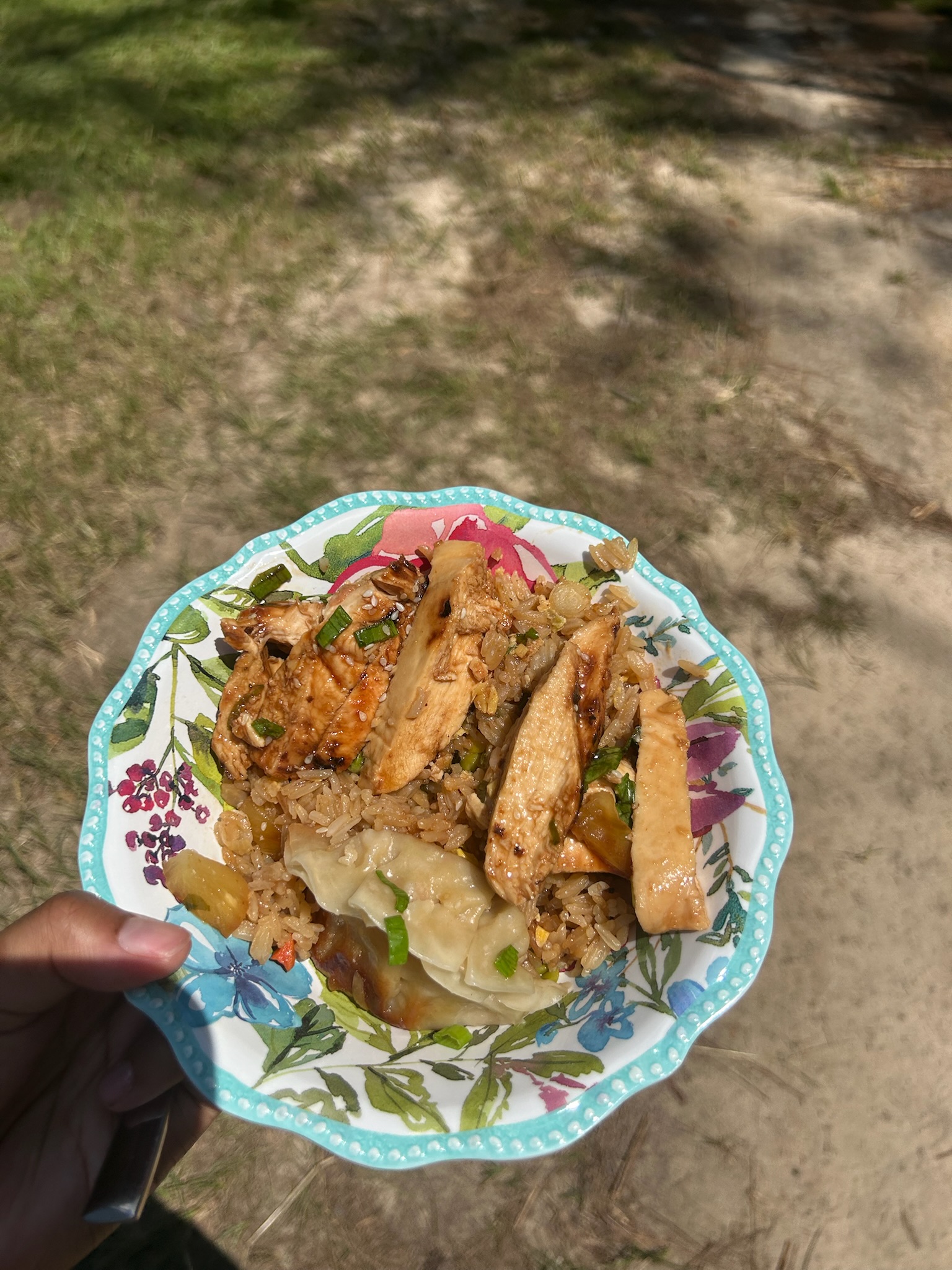
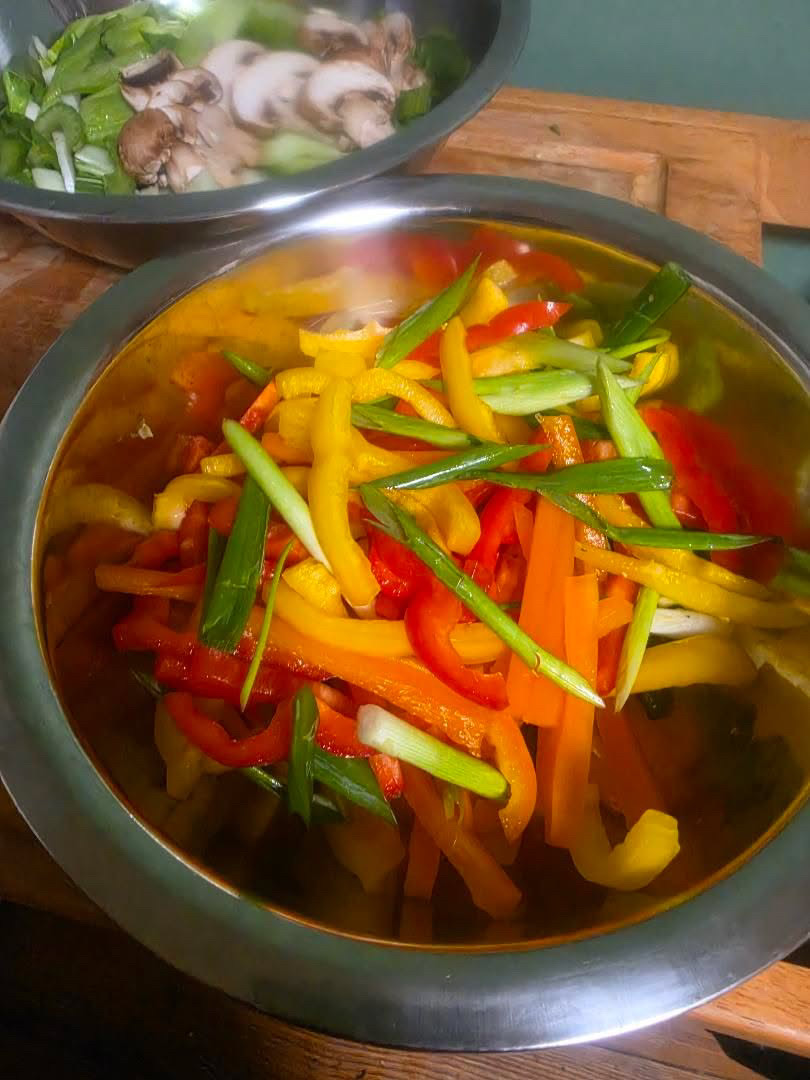
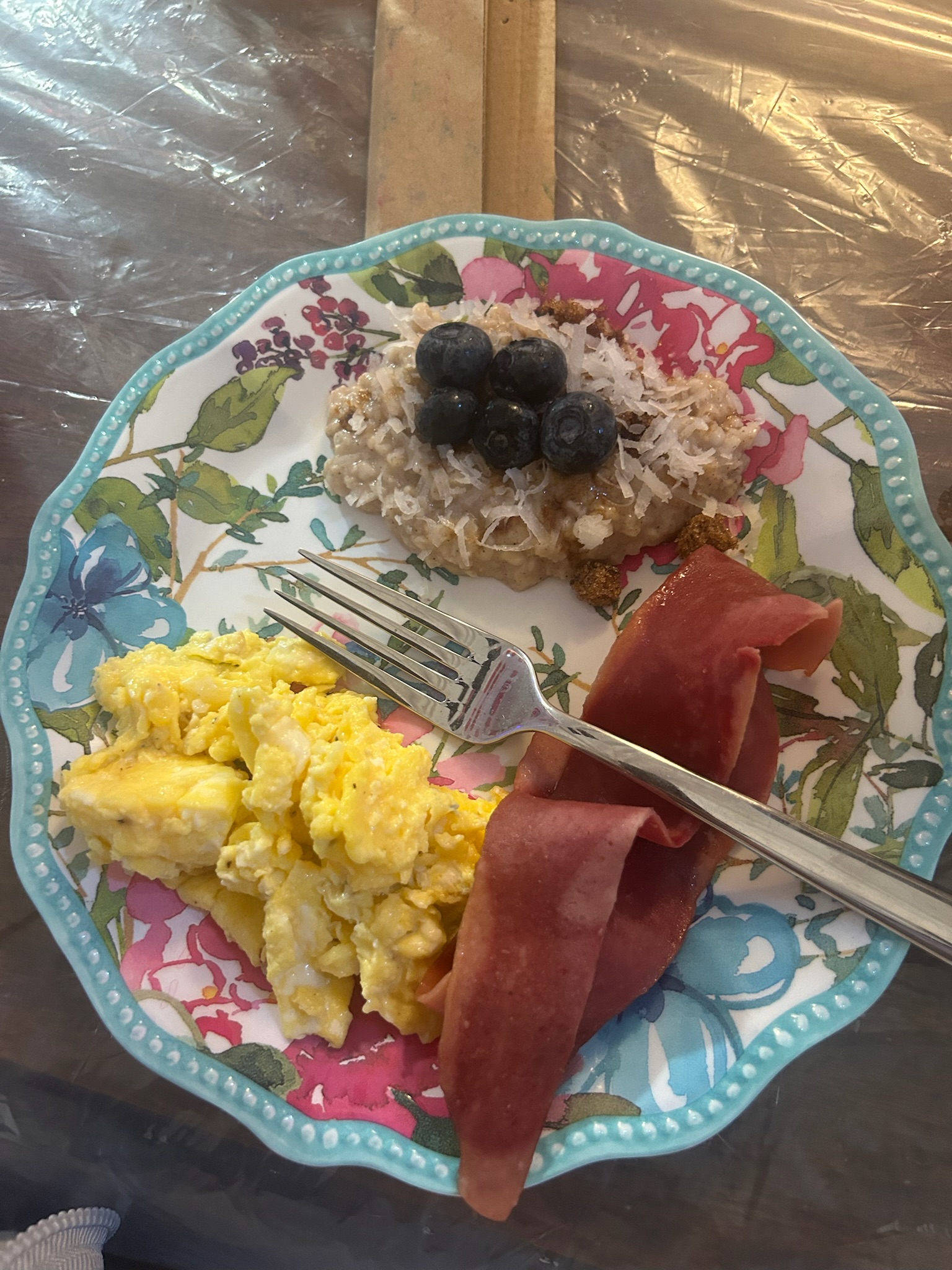
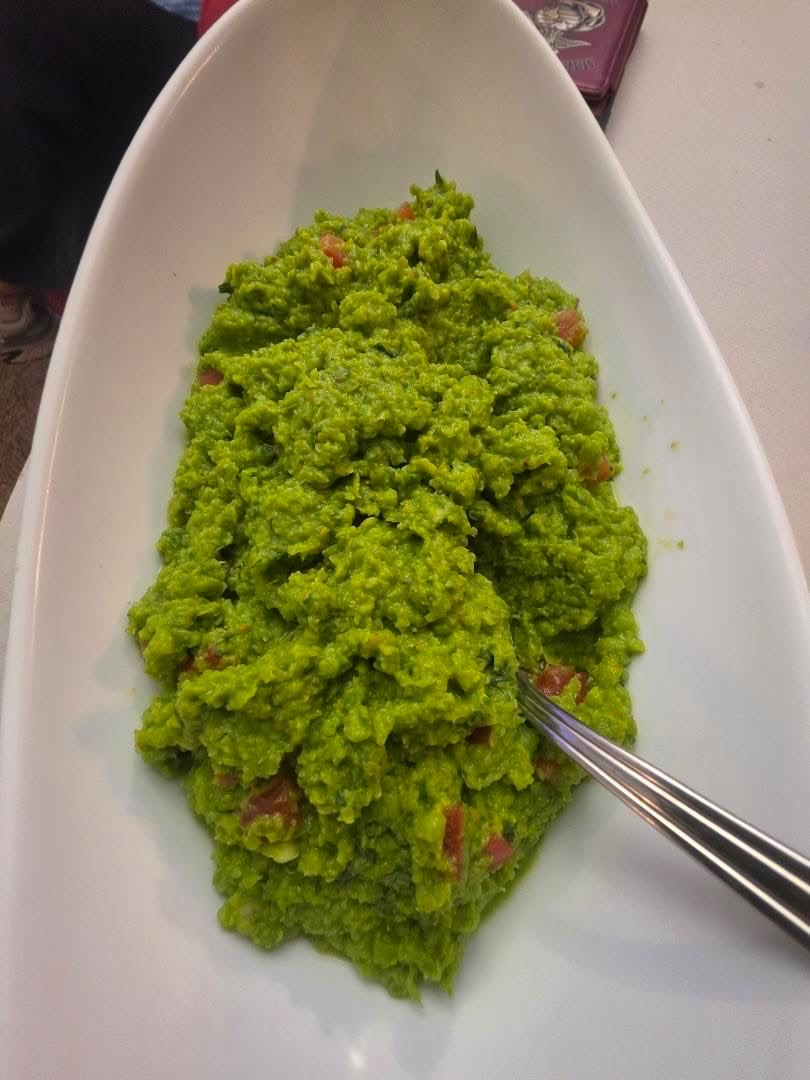
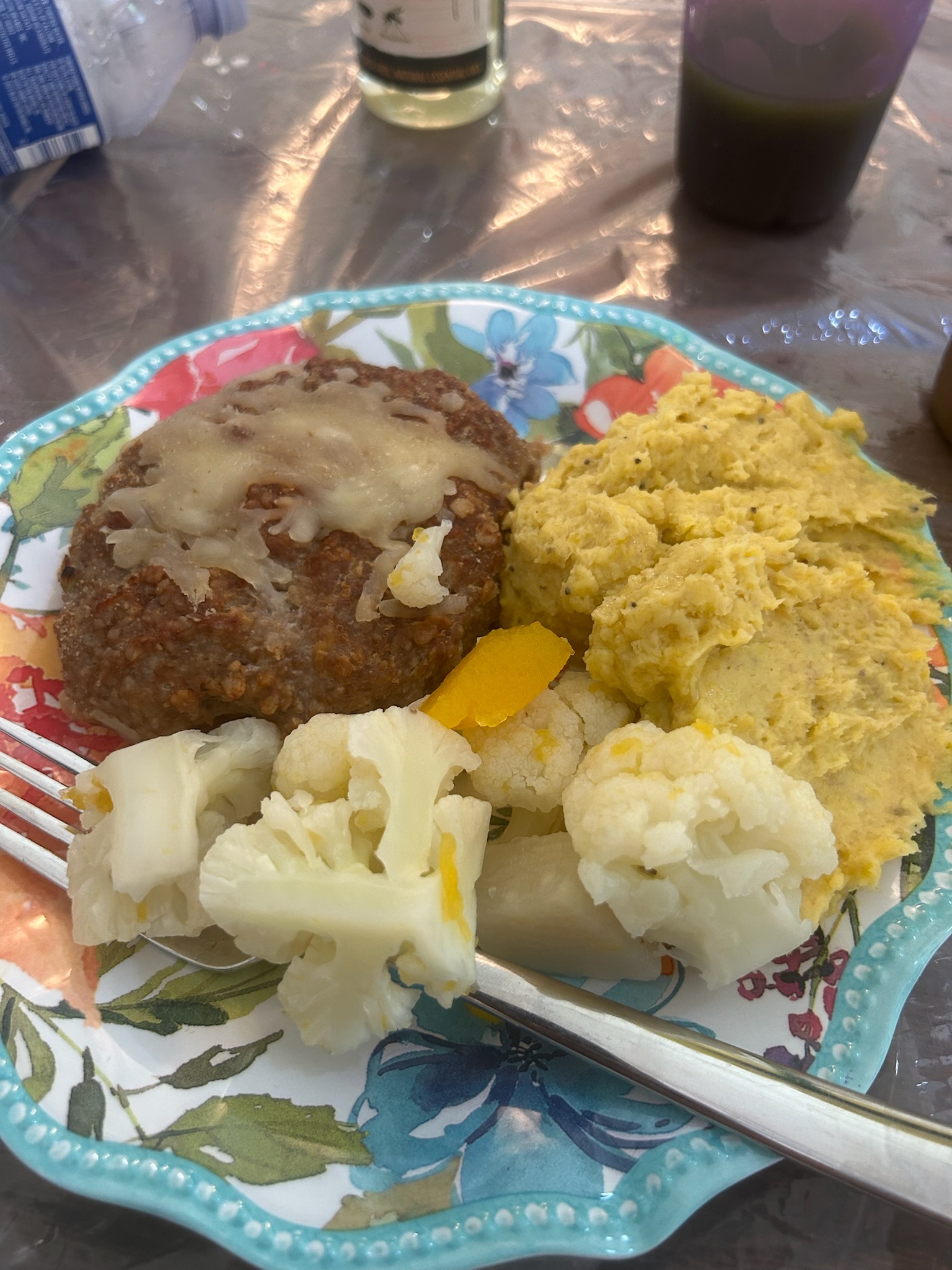
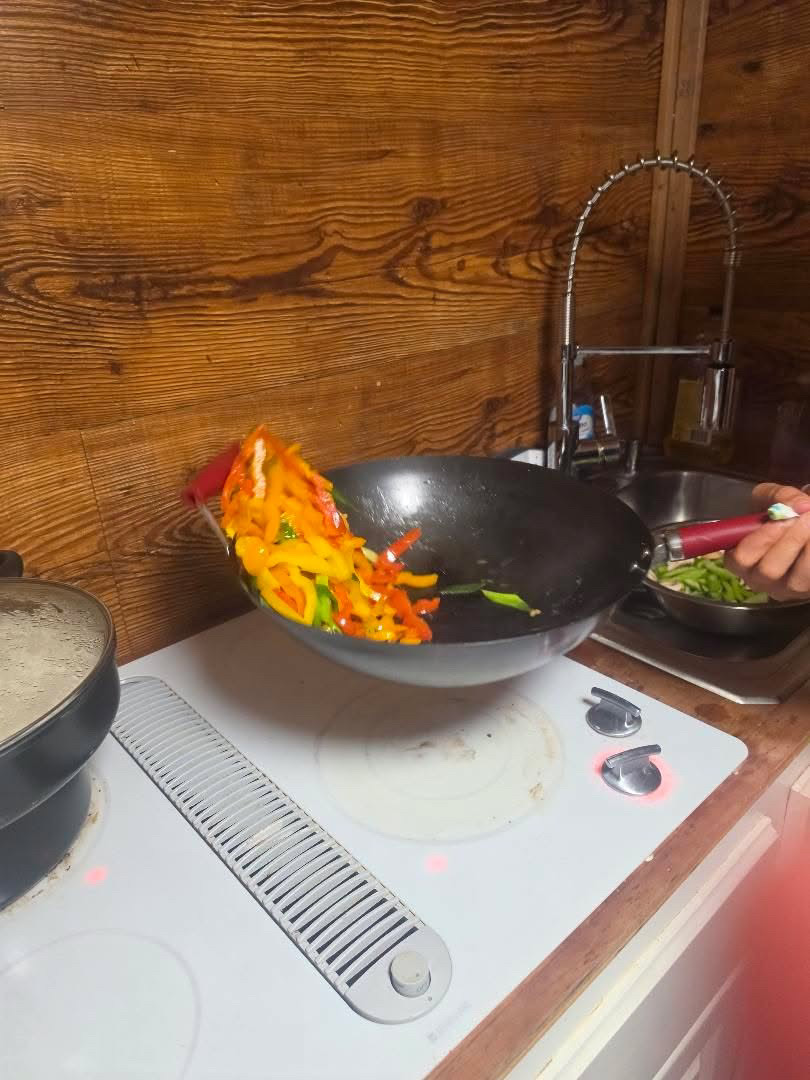
~Beyond the rank, the MOS, and the years of service, every Veteran carries a unique path to healing and growth.
Susan | U.S. Marine Corps (4 Years)
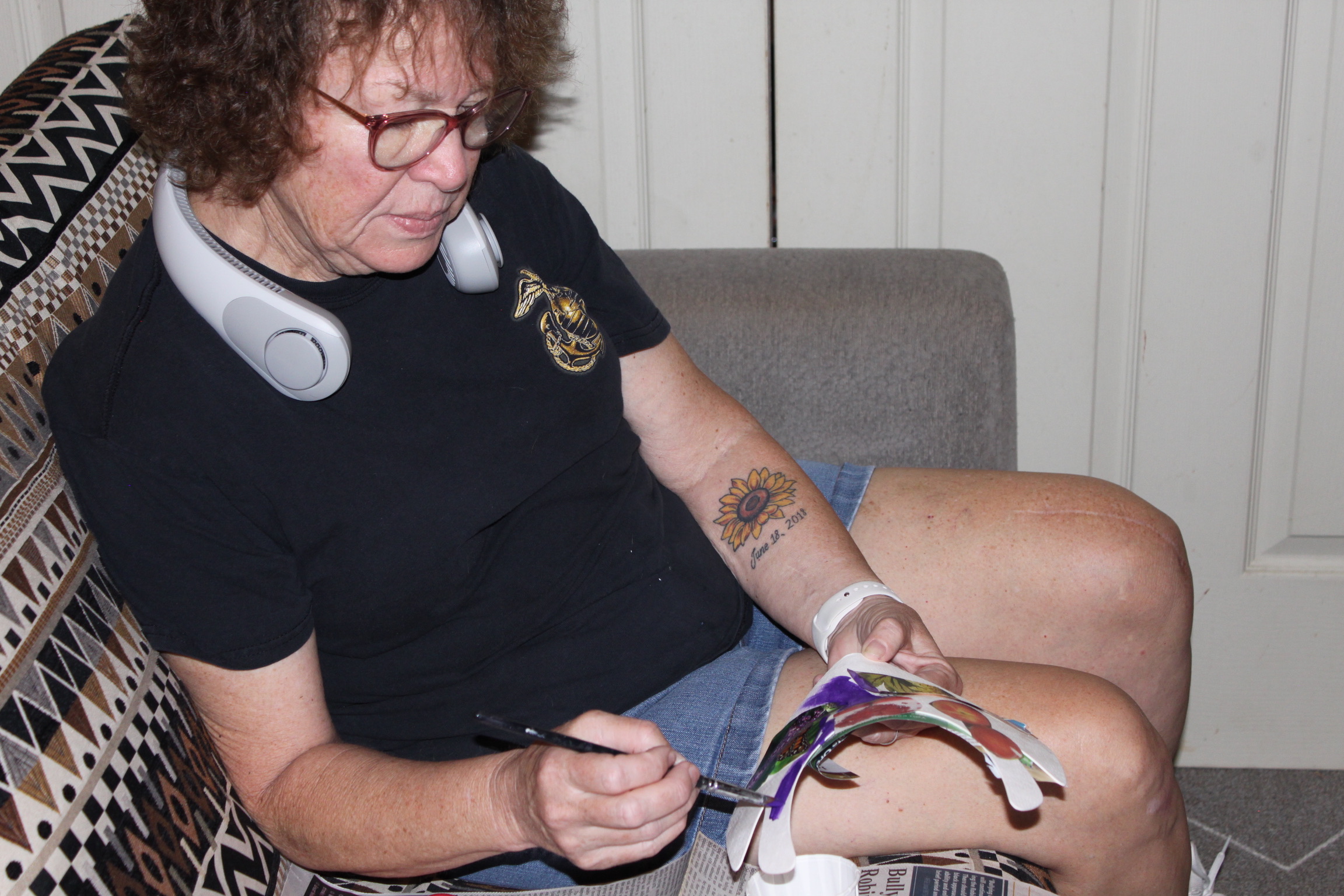
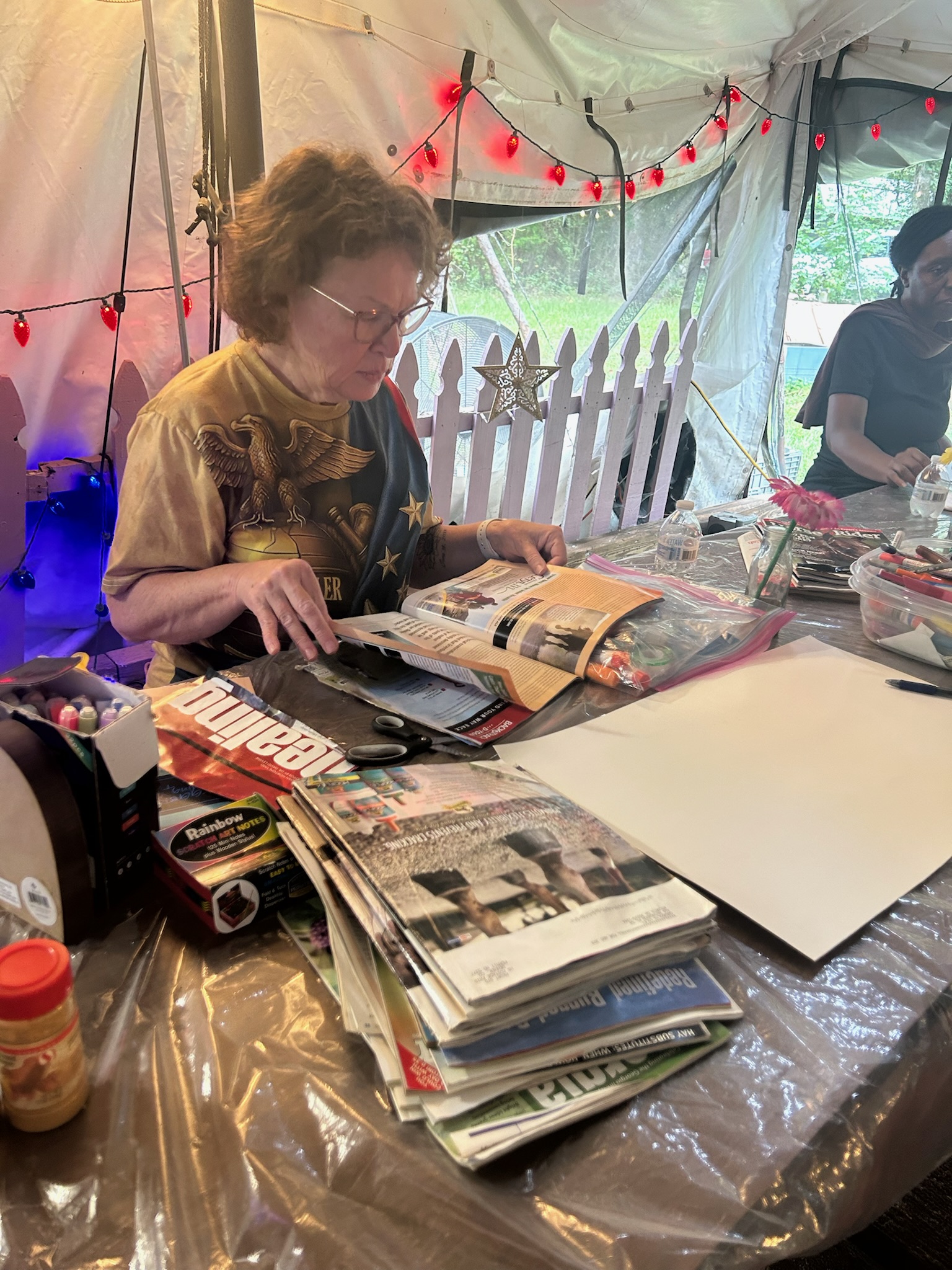
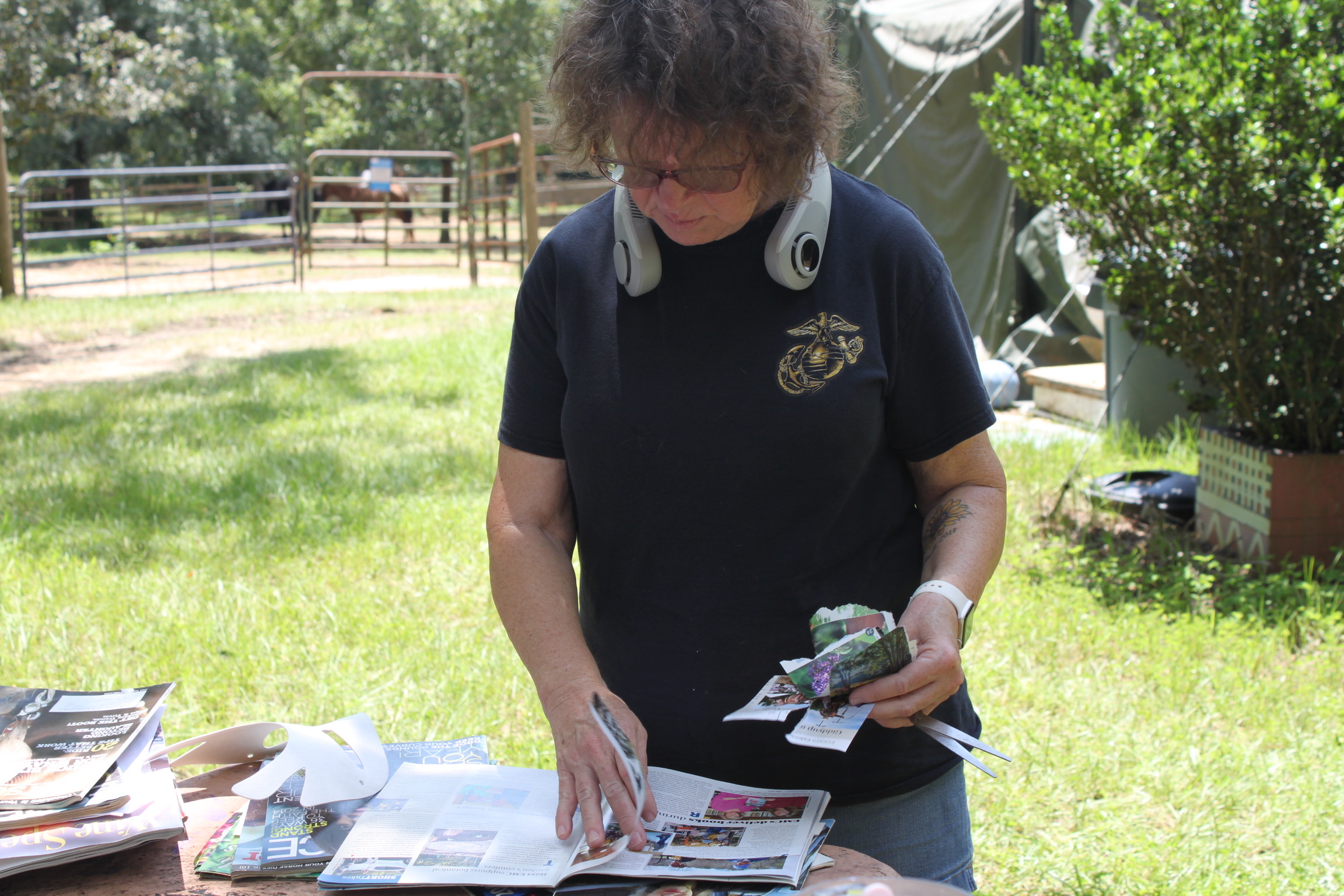
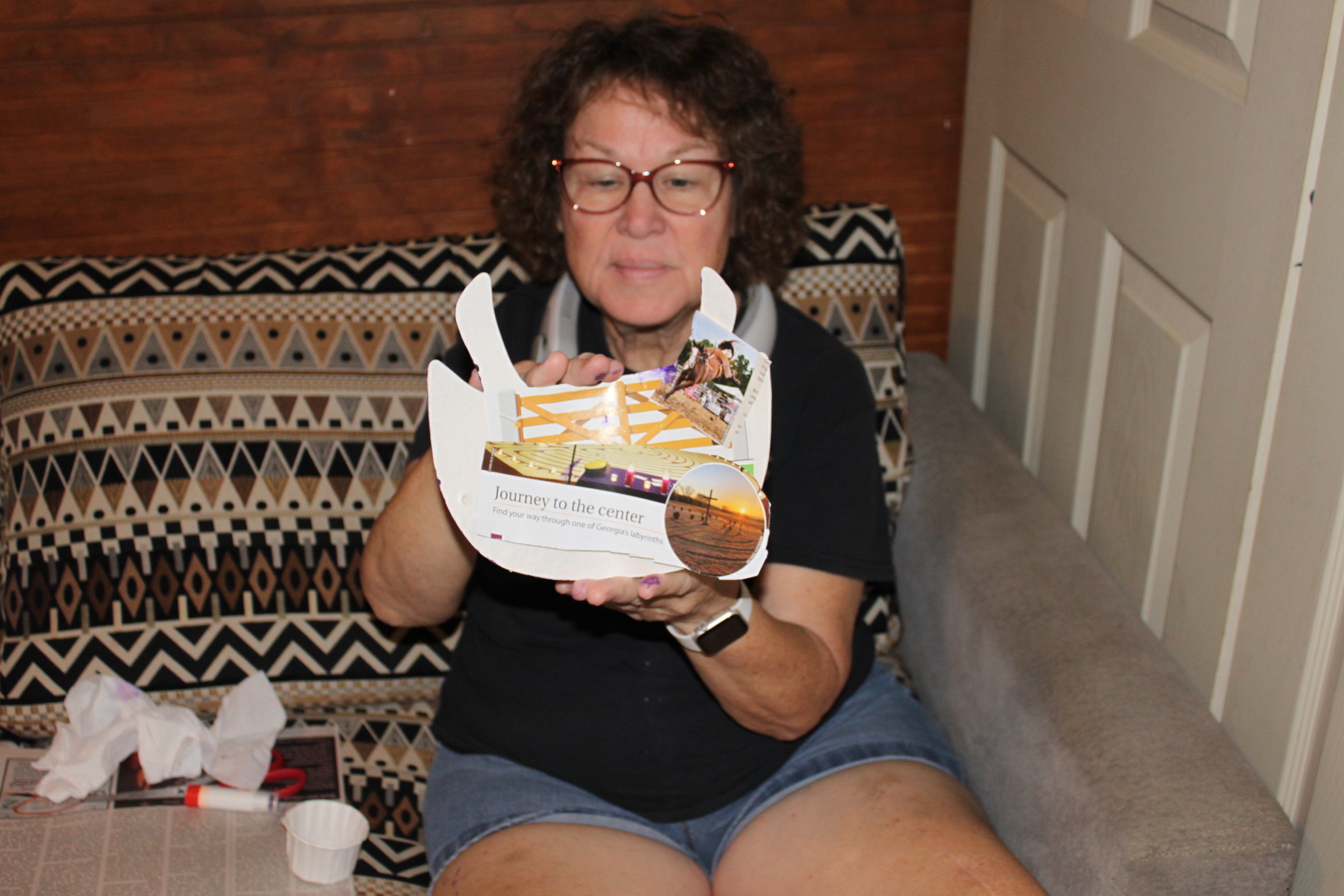
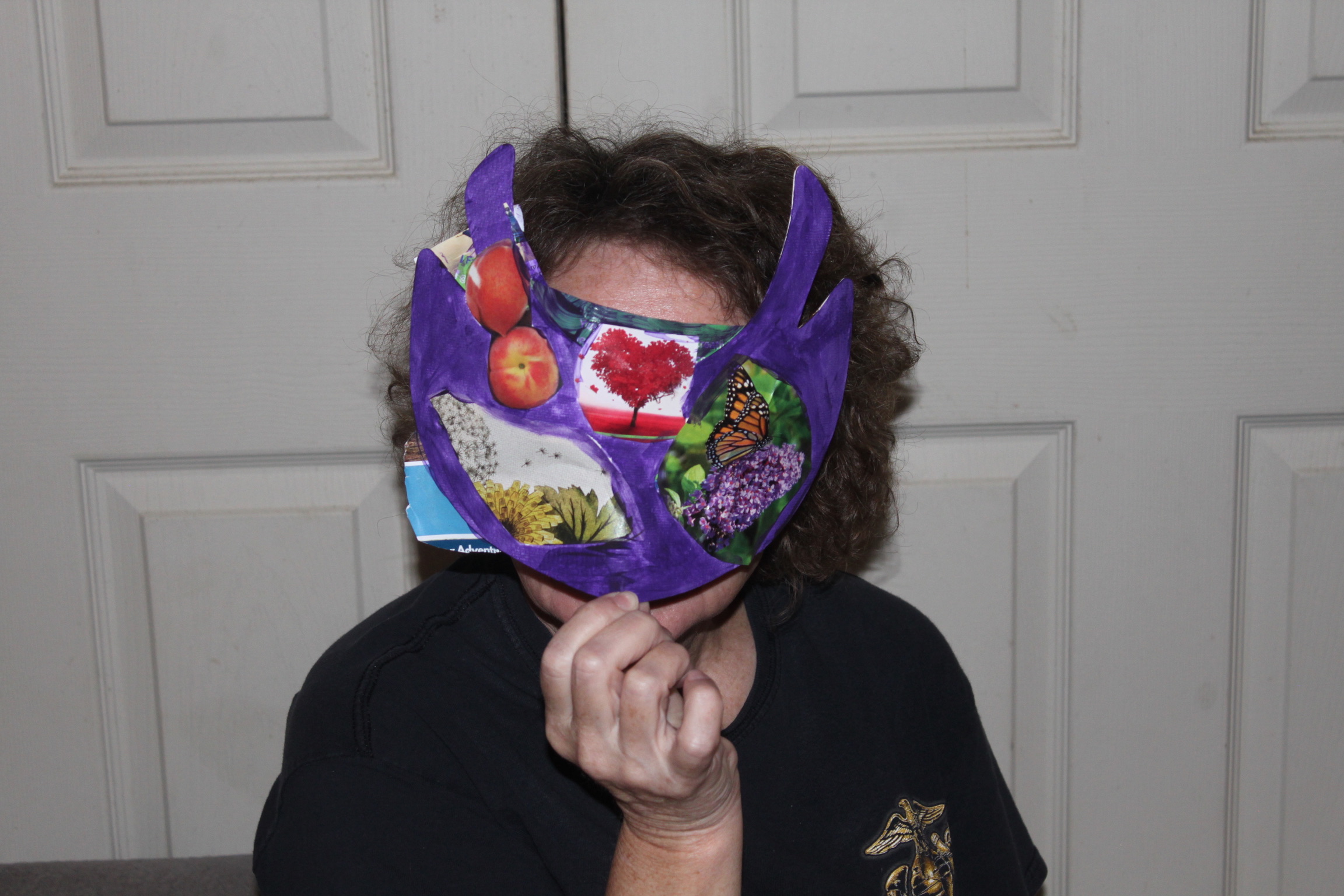
- Military Service: Enlisting at 22, Susan served four years specializing in microwave communications and administrative support at 29 Palms, California, building deep discipline and pride in her branch.
- Civilian Life: After her service, Susan maintained her connection to the military community through the Marine Corps League and local volunteer work like Toys for Tots, while continually investing in her personal growth through resource and coaching classes.
Looking to step out of isolation and prioritize her personal well-being, Susan chose the weeklong camp to break old routines, reflect, and enjoy intentional connection with other women who understand her background.
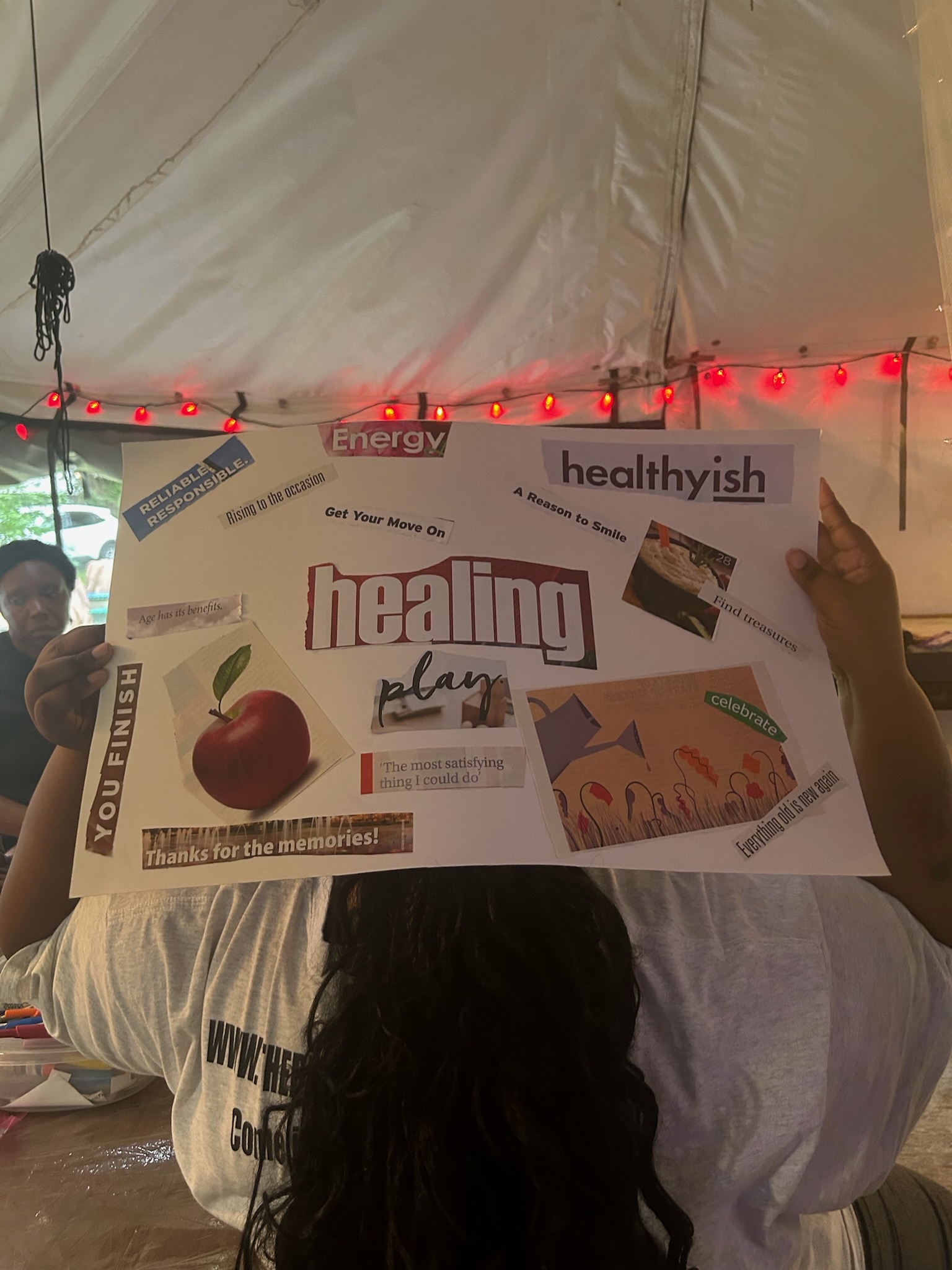
MariaCristina (MC) | U.S. Army (8 Years)
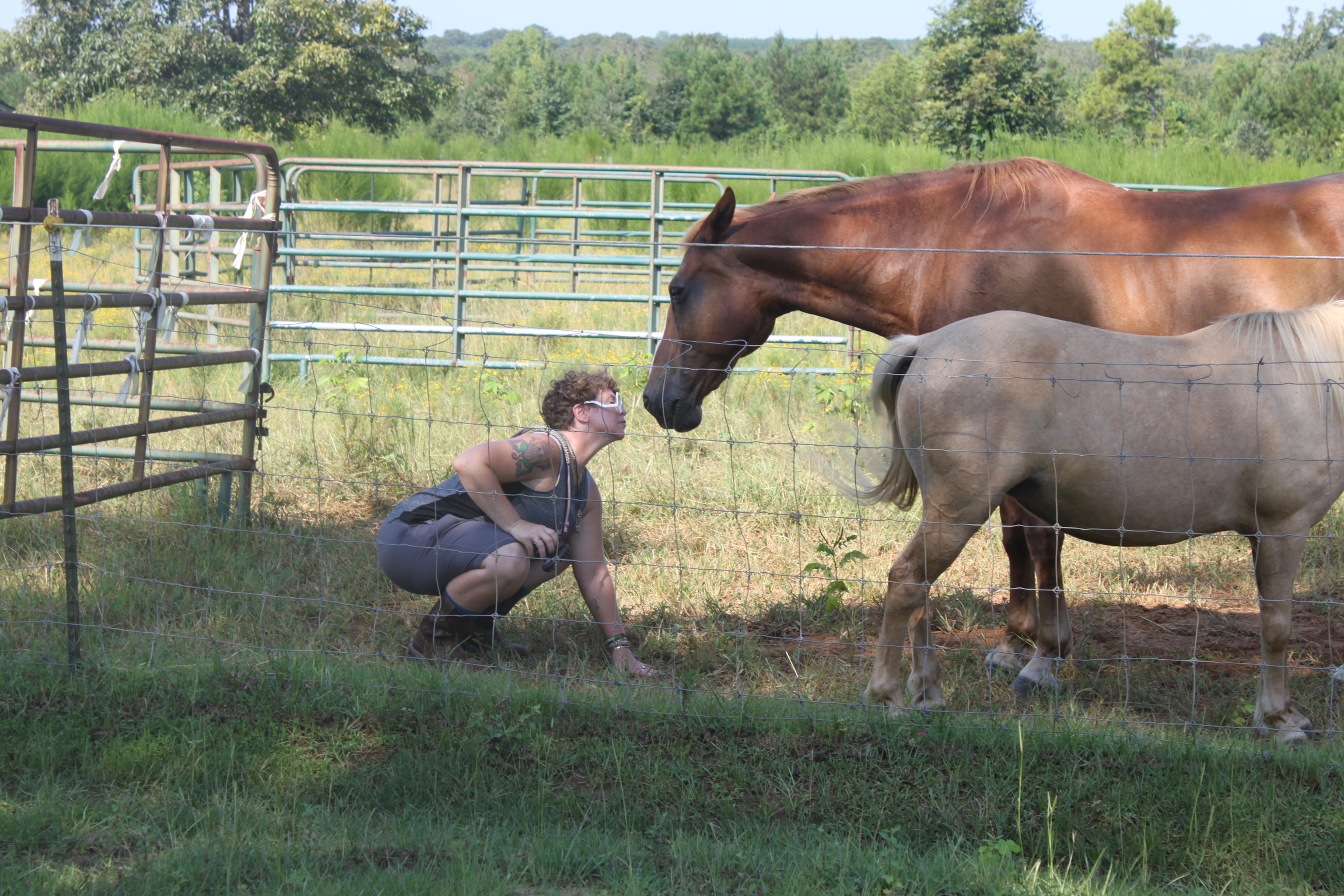
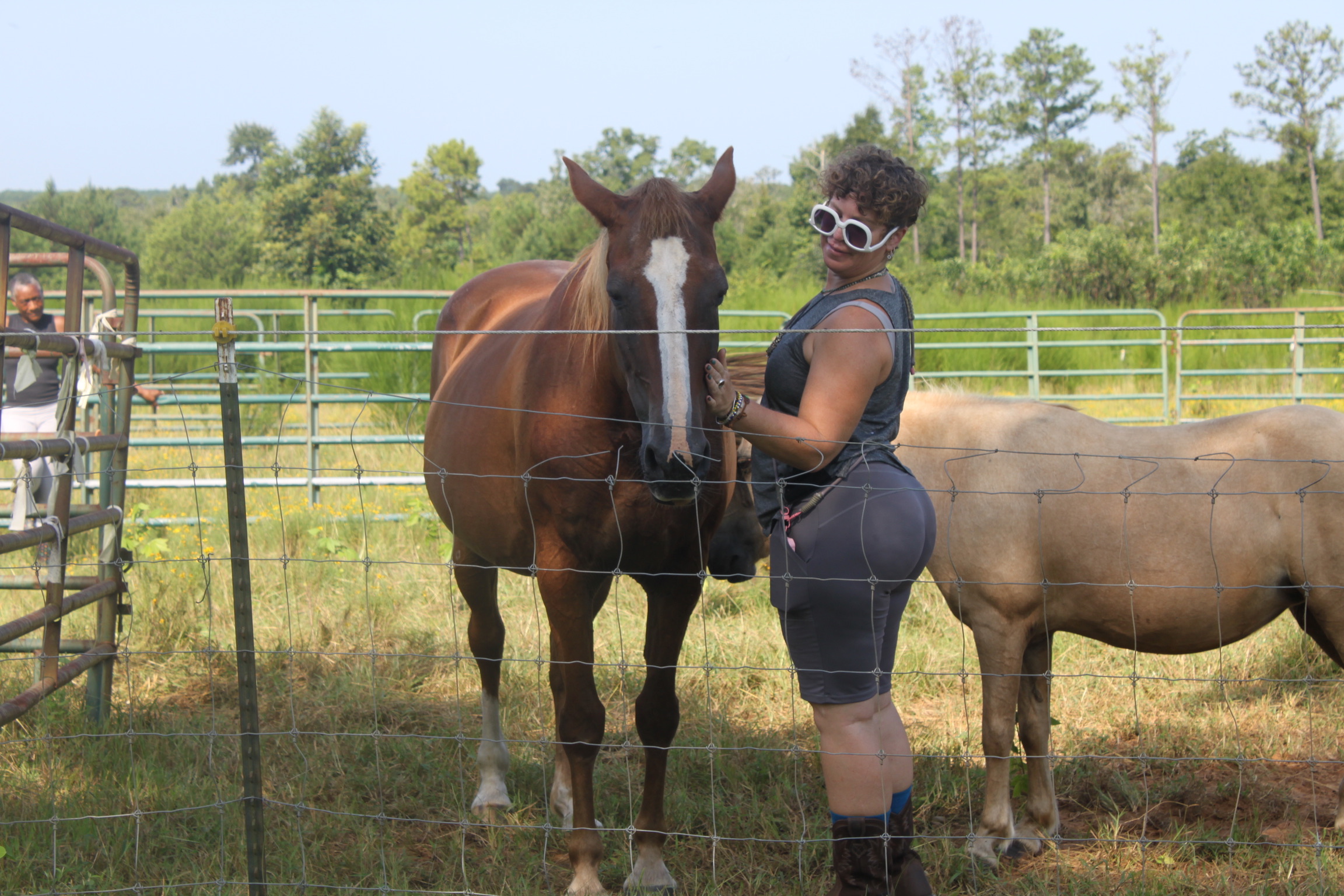
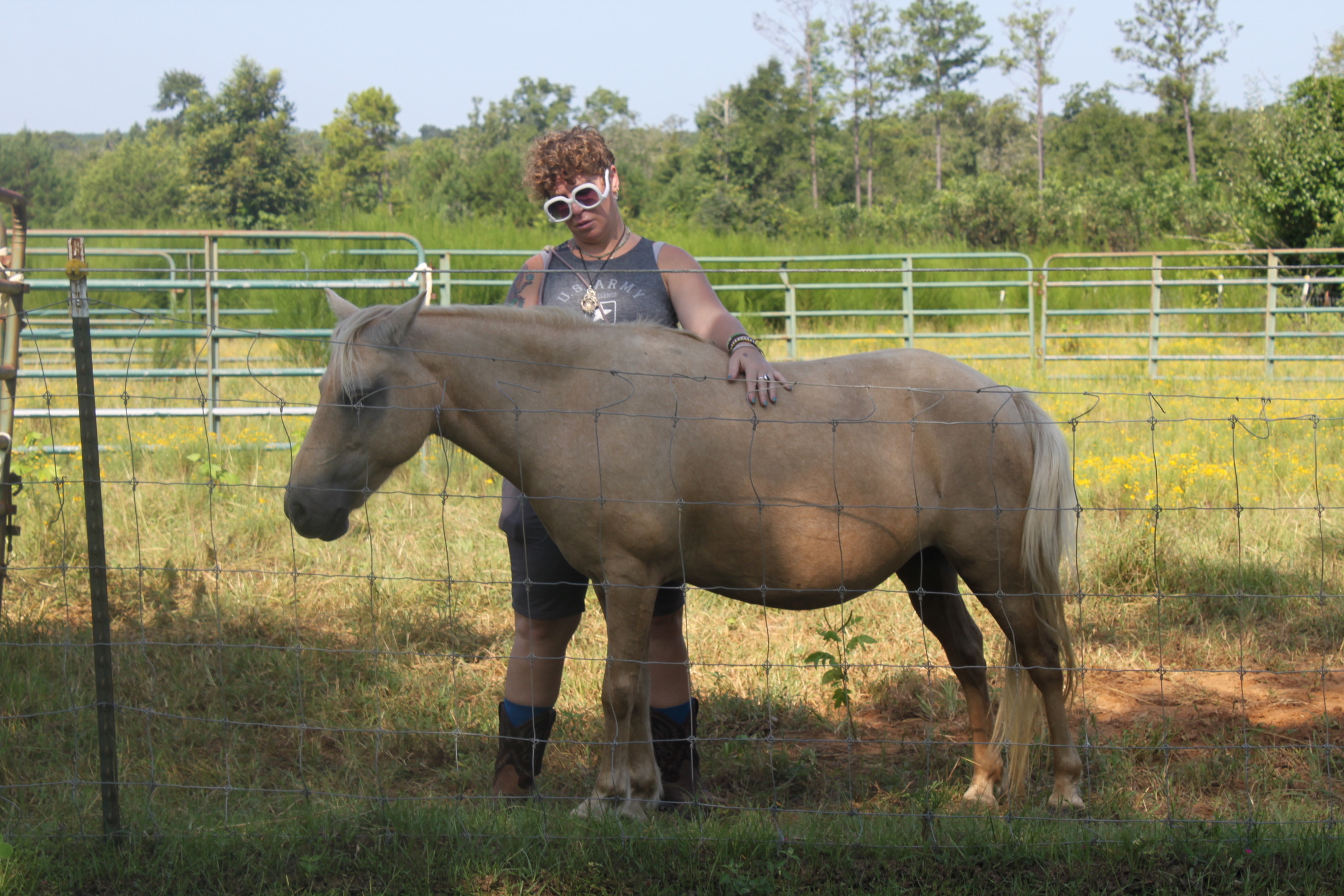
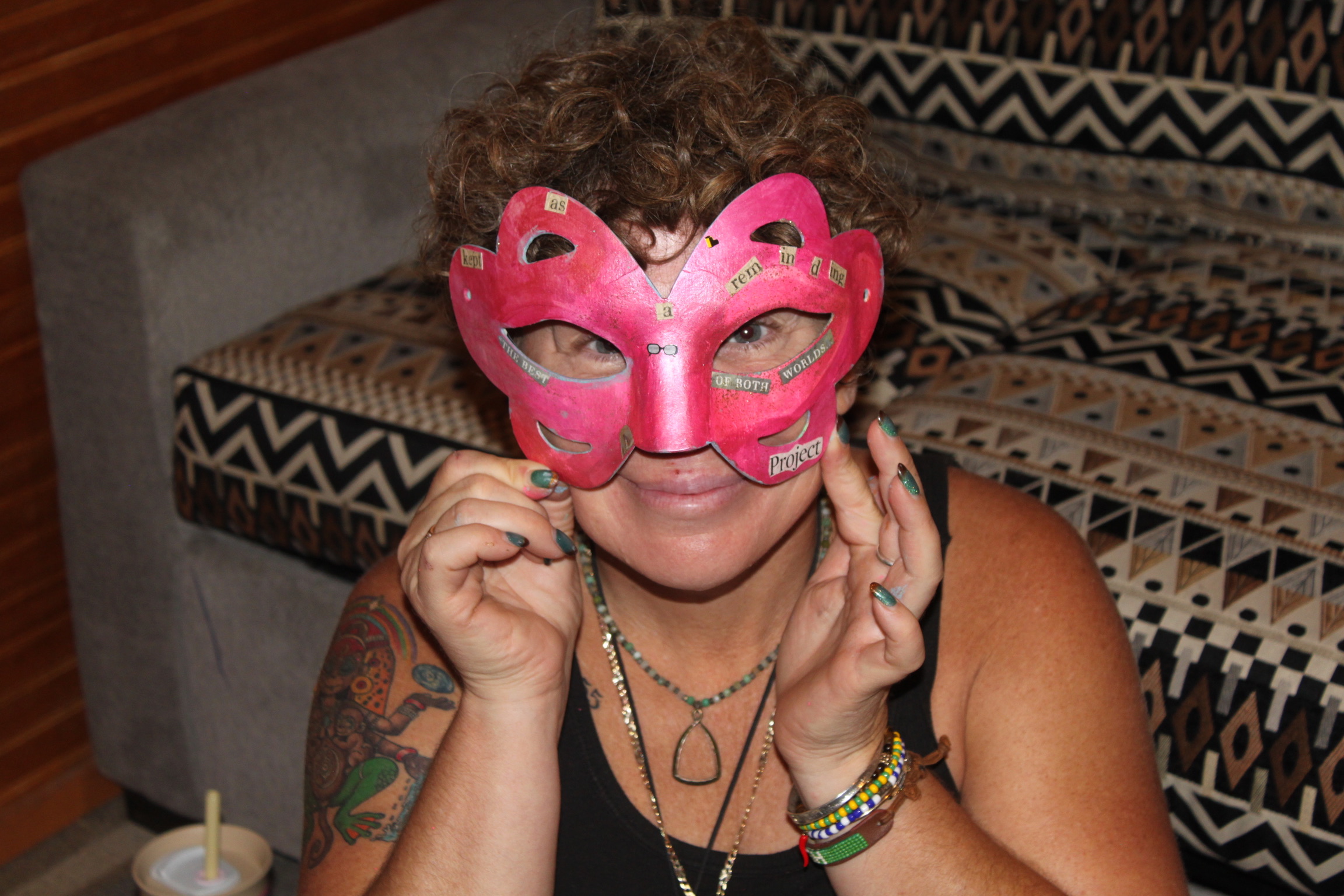
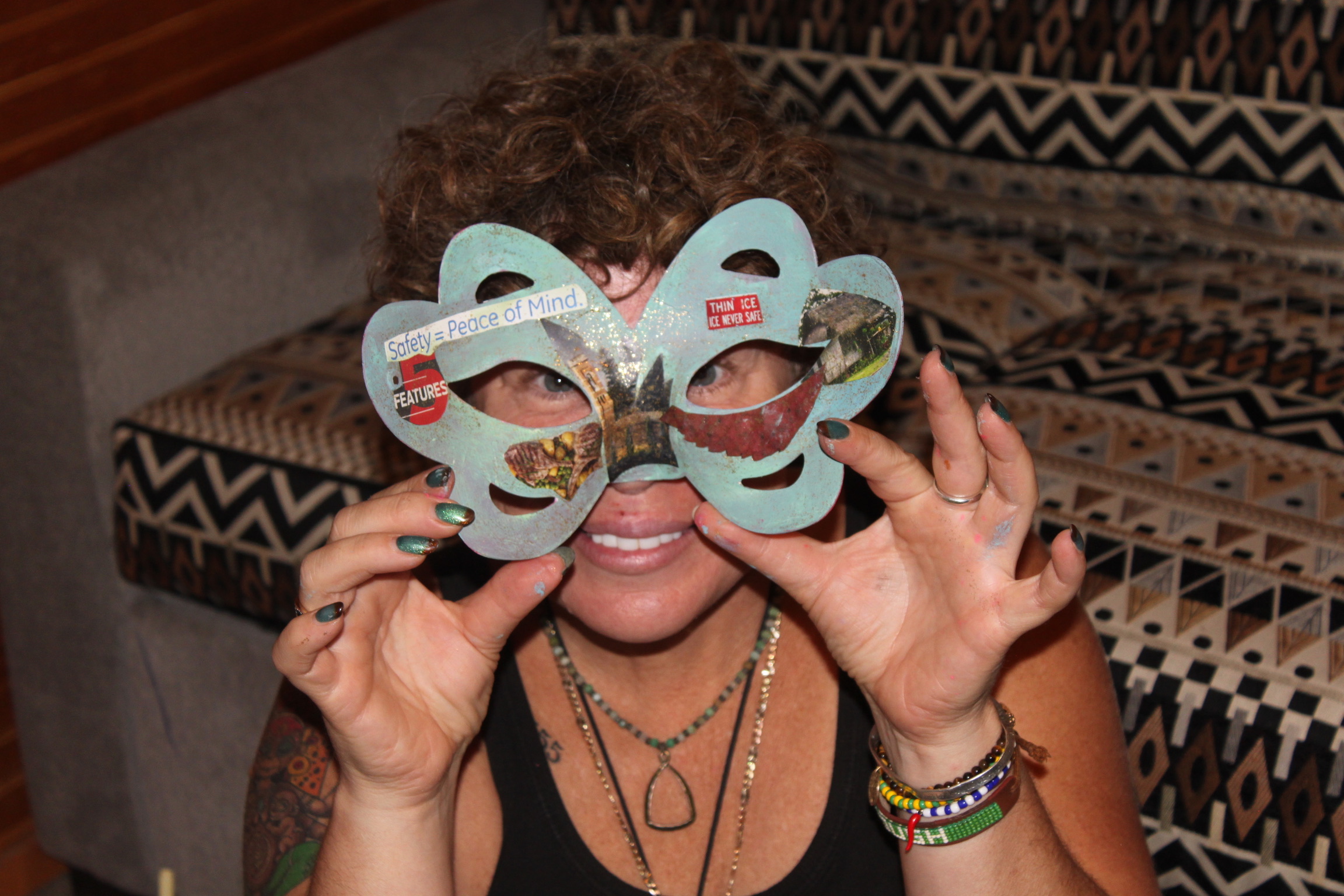
“With a good attitude and positive mindset, you can always come back.”
- Military Service: Following a family legacy of service, MC spent eight years on active duty in technology and network communications with joint command forces, earning the rank of sergeant within two years.
- Civilian Life: Viewing service as a lifelong mindset, she transitioned her passion for leadership into education, empowering students in the classroom while remaining deeply active in public service and community outreach.
MC says it was a calling that came to her. Drawn to focus on her personal wellness, she felt this pull to apply to this camp and yet almost left after the first day. She had driven all the way from New Jersey, but after her peers at this camp connected with her and shared their stories, she was convinced to stay. She initially stayed for them and then realized what a “perfect place” this was to heal and “be okay with being yourself.”
~Transitioning out of the military is rarely a straight line and can often lead to isolation. For these women, finding their footing meant finding each other.
Lashunna | U.S. Air Force (3 Years)
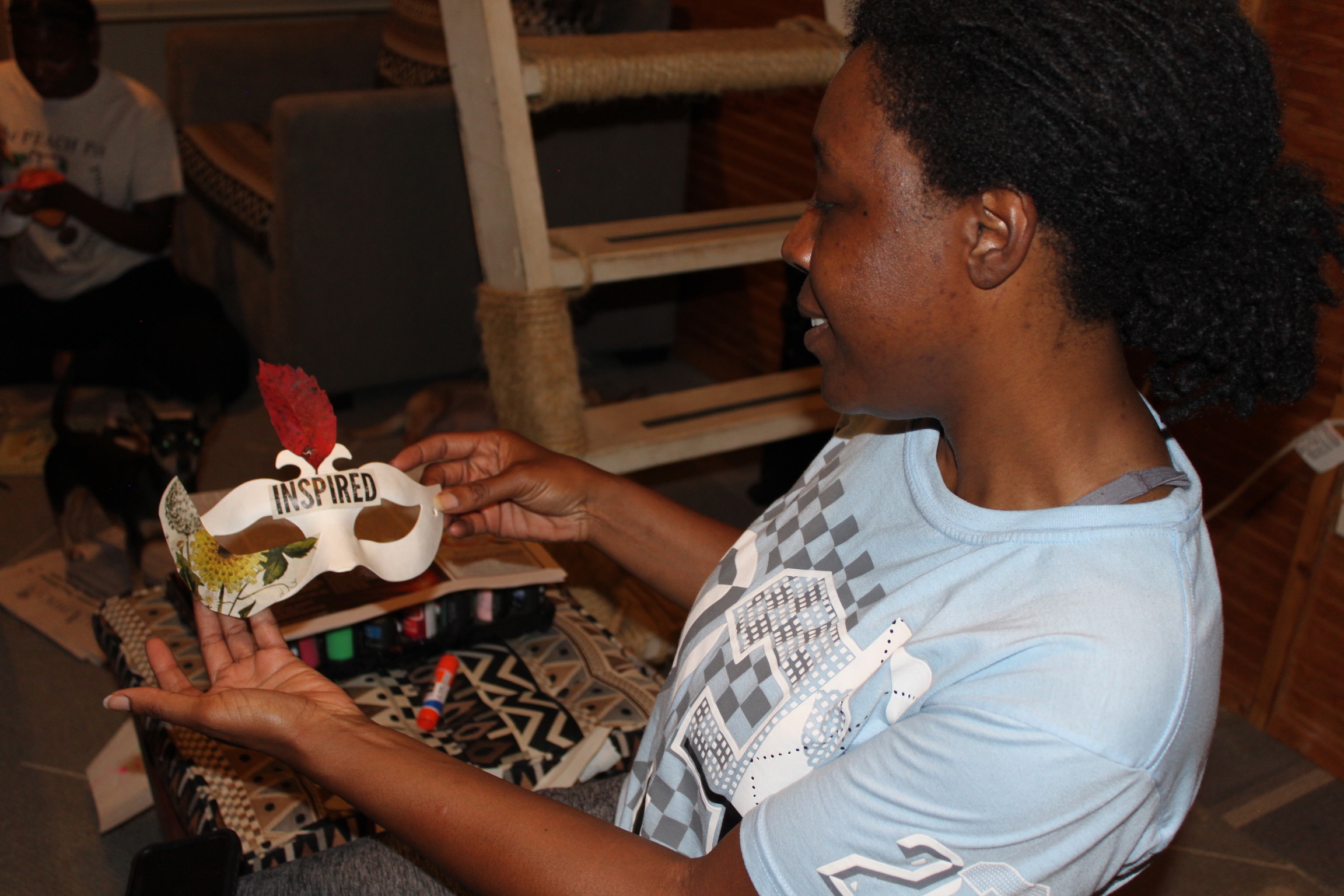
“We fall, and we got to get back up.”
- Military Service: Driven by a commitment to personal growth, Lashunna navigated rigorous tech school training and team-building exercises, learning early on how to lead and encourage others through challenges.
- Civilian Life: Post-service life presented complex hurdles, but Lashunna focused on transforming her experiences into practical solutions for others. Today, she uses her mind and energy to create nonprofits that support initiatives for women, community guidance, and mental health advocacy.
Lashunna joined The PEACH Pit in a midst of her own transition phase. This opportunity was a break from the unwanted cycle of chaos in her life. The camp offered a healthy, quiet space away from the noise to build momentum and get an energy boost by doing something for herself.

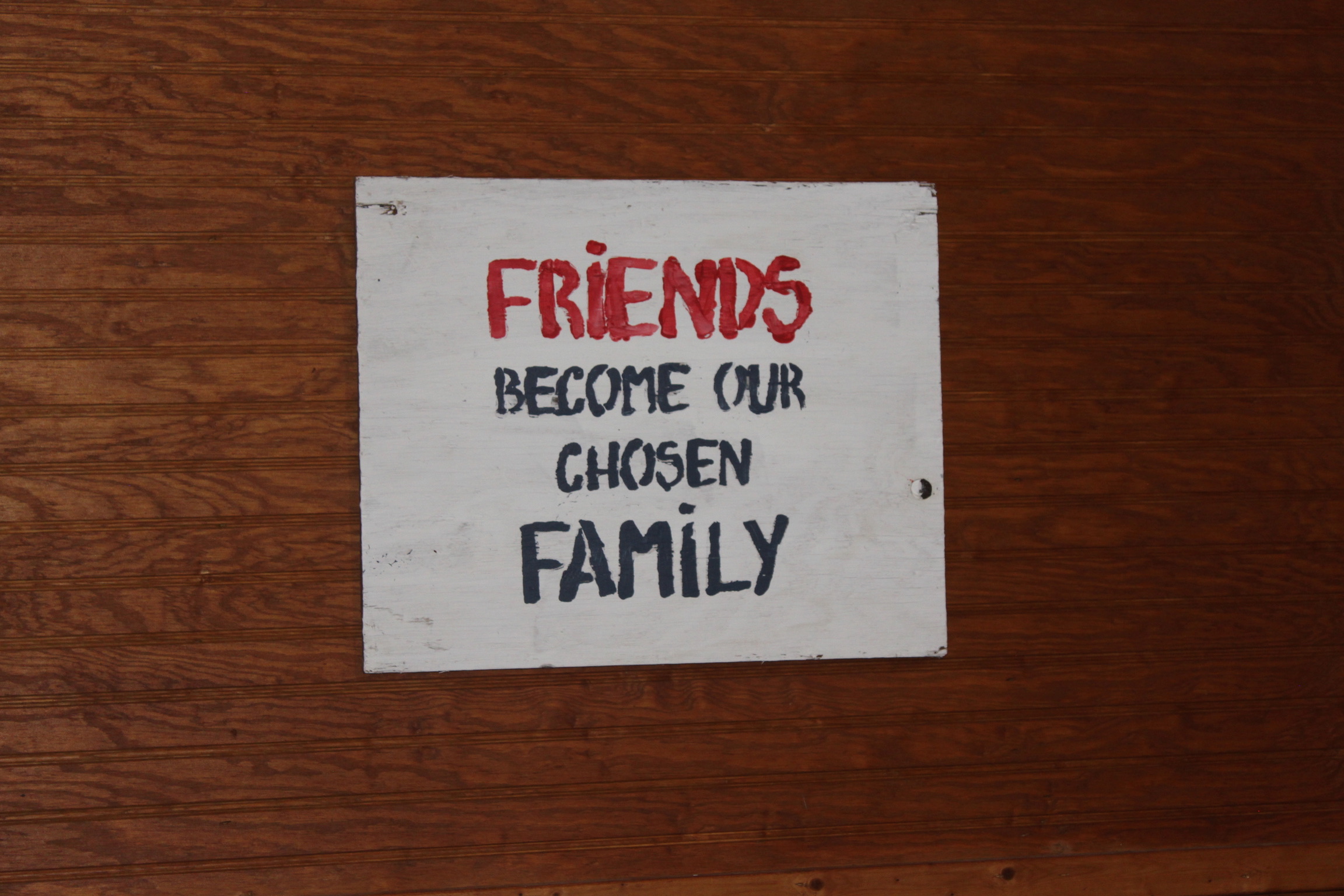
Finding community after military life isn’t always easy, but at The PEACH Pit’s camp, recalibration and connection come naturally.
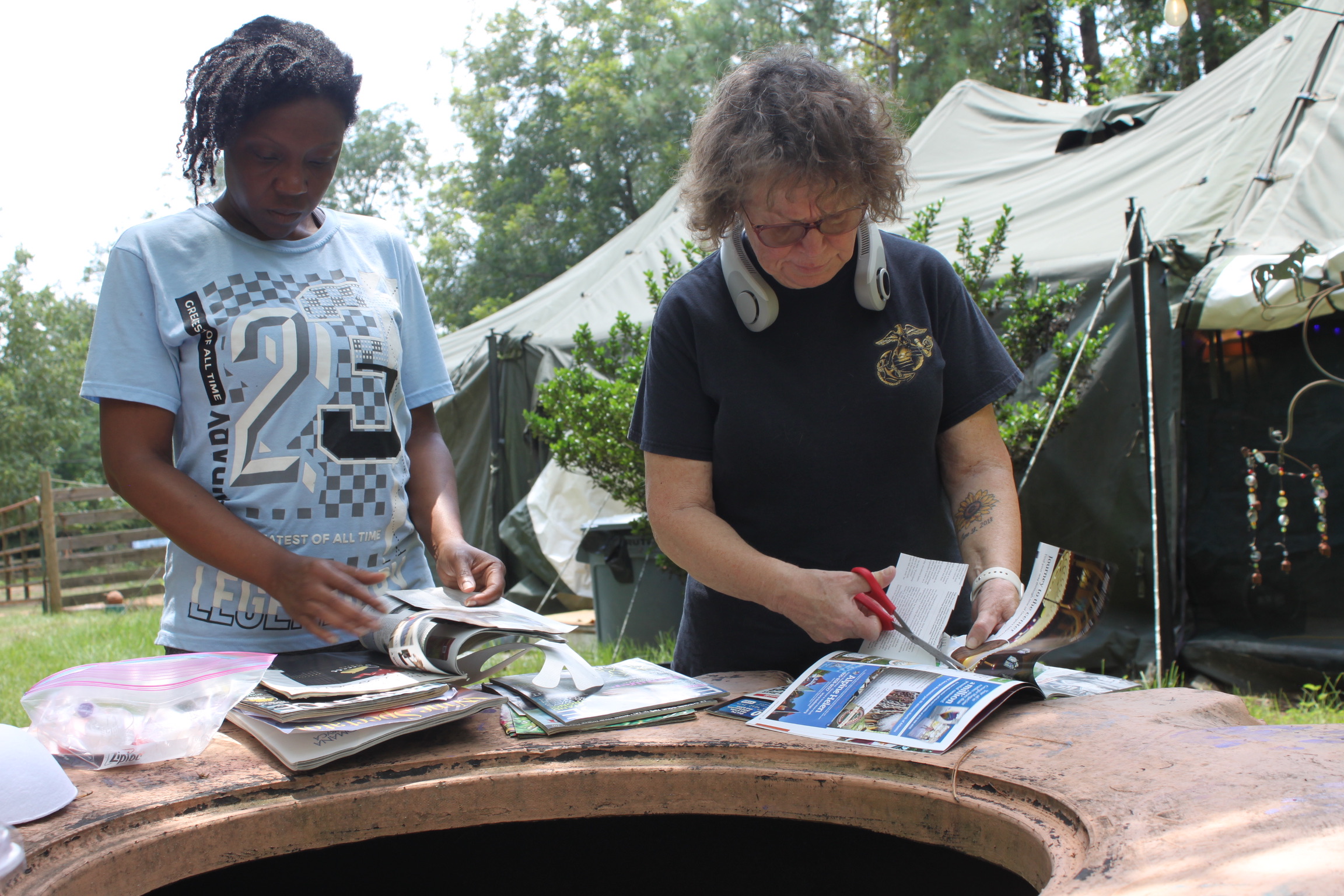
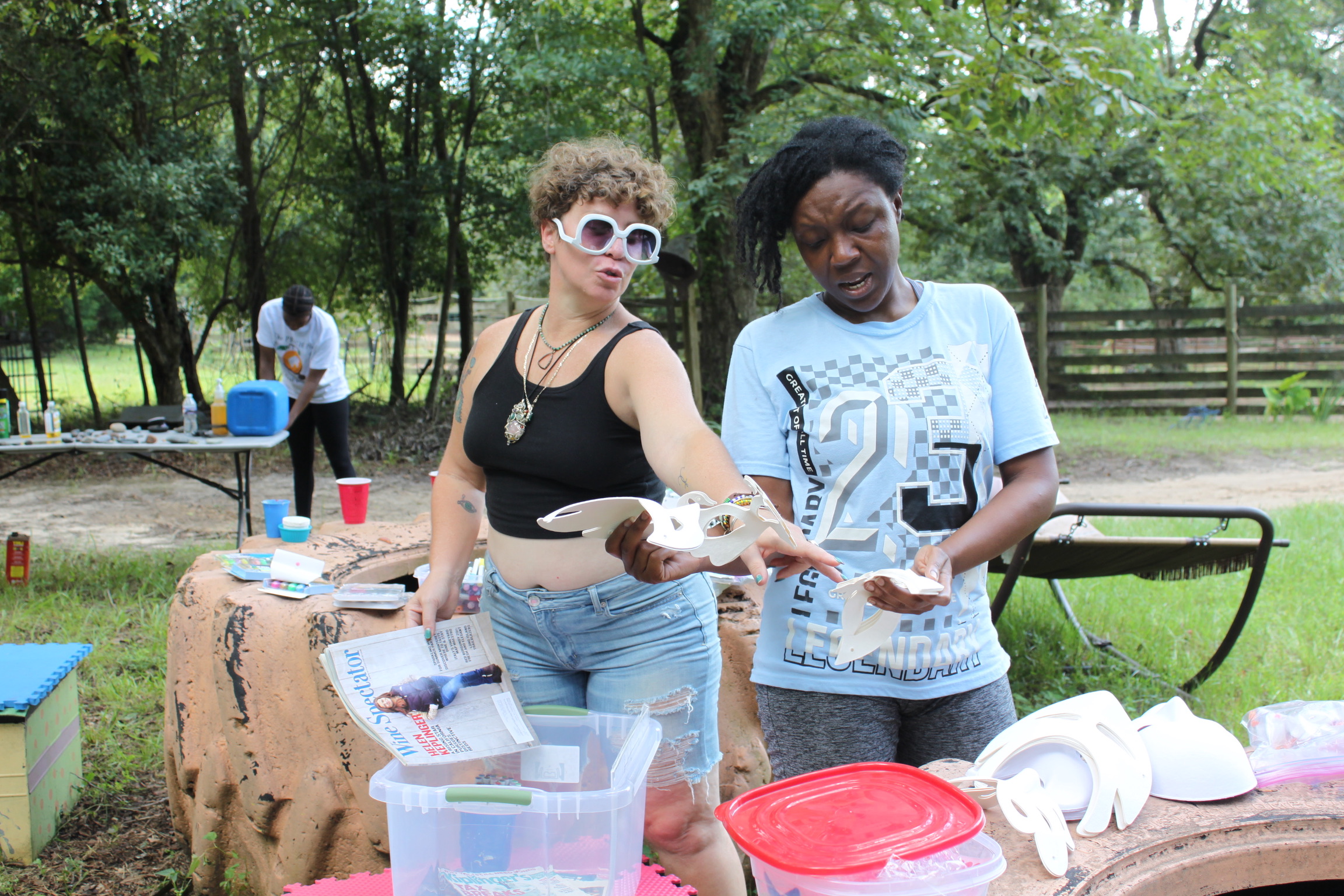
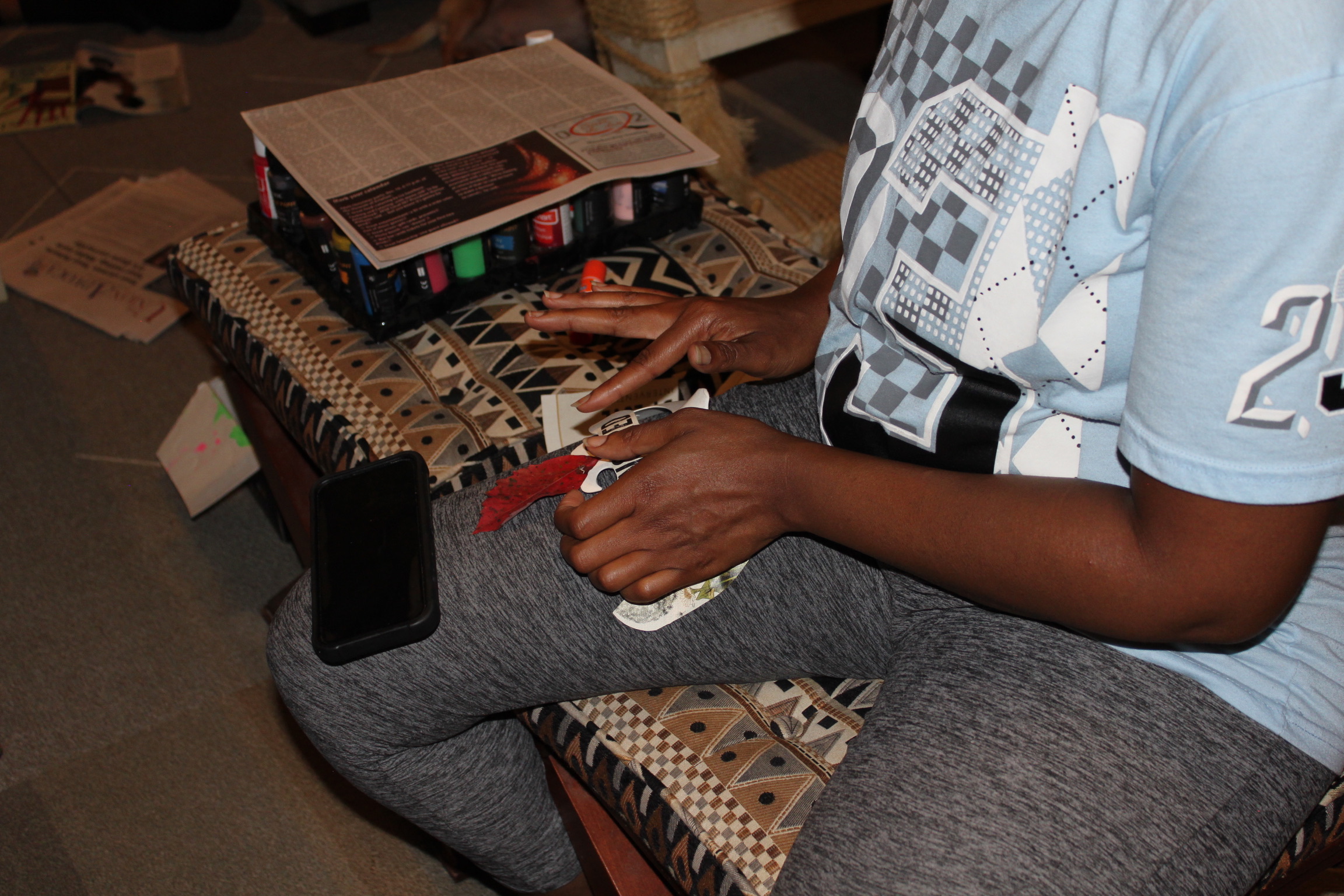
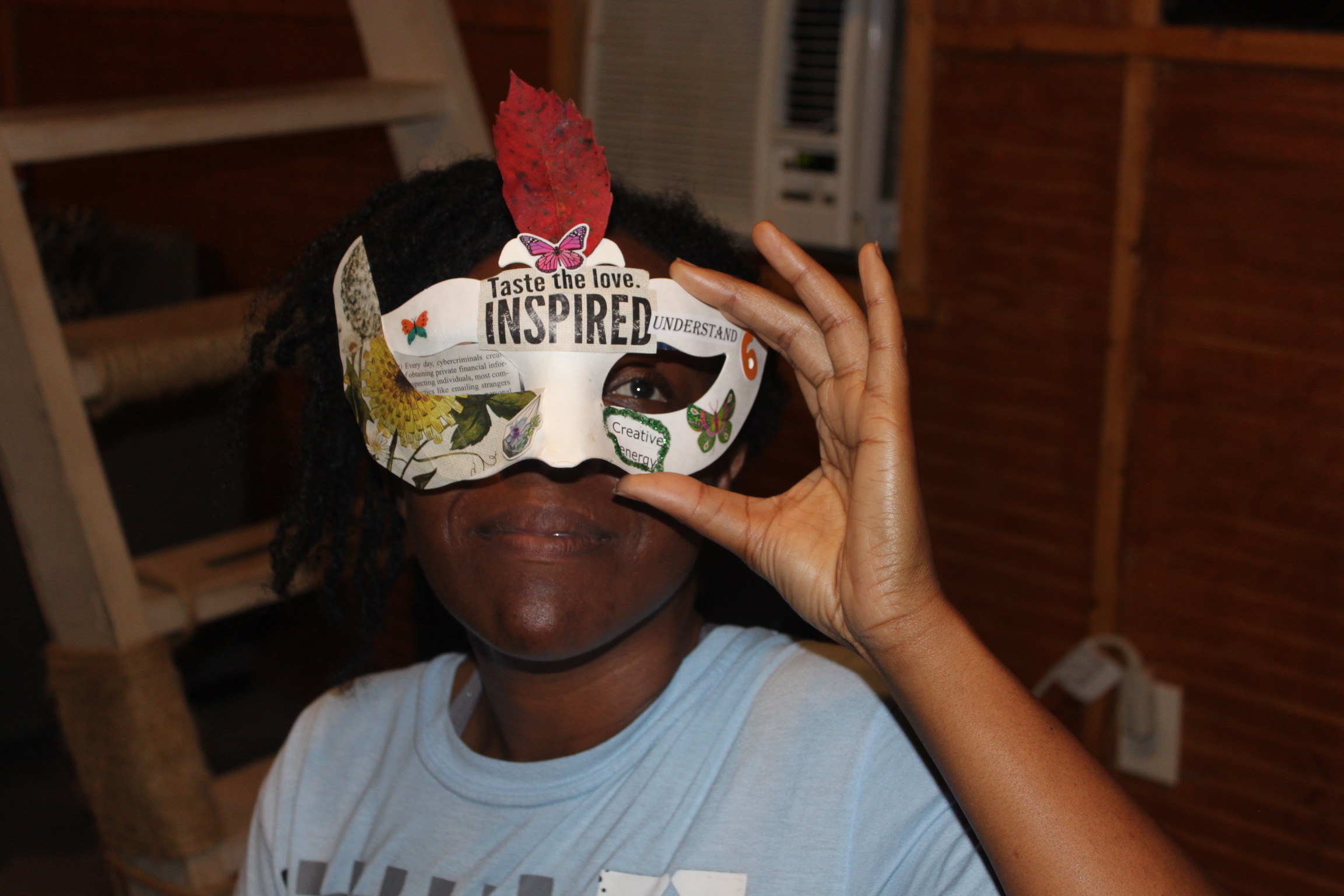
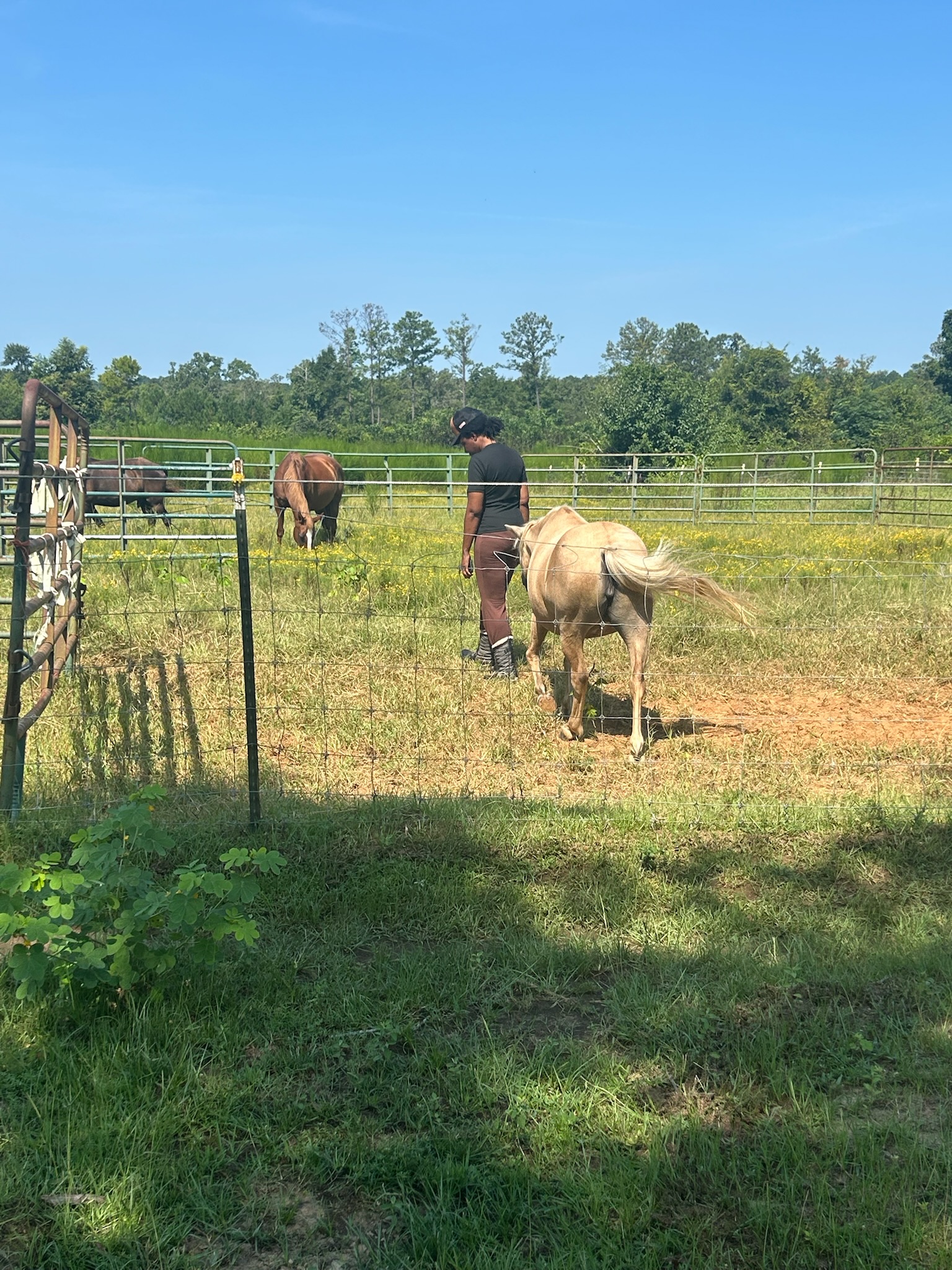
The Horsepower and Heroes weeklong camp funded by the Department of Veterans Affairs’ Adaptive Sports Grant provides an intensive and immersive therapeutic healing for women Veterans at no cost to them for the programming, housing, and food, ensuring that financial constraints do not stop women Veterans from getting high-level care. Rather than relying on a single traditional therapy model, the camp combines specialized mind—body methods tailored for trauma and stress recovery. Which include Equine-assisted Psychotherapy, group healing yoga, individual Phoenix Rising Yoga Therapy, individual Accelerated Resolution Therapy, a group mask-making therapeutic art activity, group mindfulness and meditation, and horse-powered mindfulness lessons. This allows for a small, select group to step away from daily life stressors, build deep community, and focus entirely on their unique path.
#healing #journey #community #therapy
Briana Williams ~ Social Media Intern ~ Marietta College

Community Partnership
🍑📚 The PEACH Pit is headed to Crawford County Schools! 💙
We’re excited to spend time with the students and staff at Crawford County Schools this week! Our team is passionate about creating safe, supportive spaces where youth can build confidence, strengthen coping skills, and learn that asking for help is a sign of strength.
Every conversation is an opportunity to plant seeds of hope, resilience, and empowerment. We are honored to partner with our local schools to support the emotional well-being of the next generation.
If you see us around campus this week, be sure to say hello! Together, we’re building stronger youth, stronger families, and stronger communities.
💙 Empower. Educate. Encourage.
🍑 The PEACH Pit
#ThePEACHPit #CrawfordCountySchools #MentalHealthMatters #YouthEmpowerment #CommunityPartnership #BuildingResilience #SupportOurYouth #GeorgiaNonprofit
Volunteer Registration
Absolutely! Here’s a warm, engaging Facebook post that’s designed to encourage people to volunteer while reflecting The PEACH Pit’s mission.
💚 MAKE A DIFFERENCE IN YOUR COMMUNITY—VOLUNTEER WITH THE PEACH PIT! 🐴🌿
Looking for a meaningful way to give back? We’d love to have you join our volunteer family!
At The PEACH Pit, our volunteers help create a safe and welcoming space where youth, families, veterans, and our community can heal, grow, and thrive through equine-assisted services and community programs.
Whether you enjoy working outdoors, helping at events, supporting our Girls’ Empowerment Program, or lending a hand during our monthly Volunteer Days, there’s a place for you here!
✨ No matter your experience, your time and talents can make a lasting impact.
📋 Sign up today using our new Volunteer Registration Form:
https://forms.gle/8Ju1uPk8Gw5rnbYa9
💚 Individuals, families, businesses, churches, schools, civic organizations, and community groups are all welcome!
Together, we can build stronger communities—one act of kindness at a time.
#ThePEACHPit #VolunteerWithPurpose #CommunityStrong #MentalHealthMatters #GirlsEmpowerment #VeteranSupport #GiveBack #Volunteer #EquineAssistedServices #TogetherWeCan
How can I donate?


