
The PEACH Pit
Horses helping heal your heart and mind. Come join us at the barn.
How do you help someone with an addiction?
- Recognize the signs of addiction in others
Behavioral red flags: secrecy, denial, impulsivity, lying, or missing obligations
Emotional signs: mood swings, irritability, anxiety, or depression
Physical indicators: weight changes, bloodshot eyes, slurred speech, or poor hygiene
2. Understand there is a WHY behind substance us
People don’t usually turn to drugs or alcohol just because they’re bored, they use substances to cope with pain, trauma, or emotional overwhelm. Substances may offer short-term relief from anxiety, depression, loneliness, or past wounds. It often starts as a form of control of a seemingly uncontrollable situation. But over time, that temporary sense of control, however, can turn into dependency and eventually, loss of control.
3. Educate yourself about the science of addiction
Addiction is a chronic brain disease, not a moral failing or a lack of willpower. Long-term substance use changes how the brain communicates, especially in areas related to reward, decision-making, and impulse control.
4. Learn the Dos and Don’ts of supporting someone in addiction
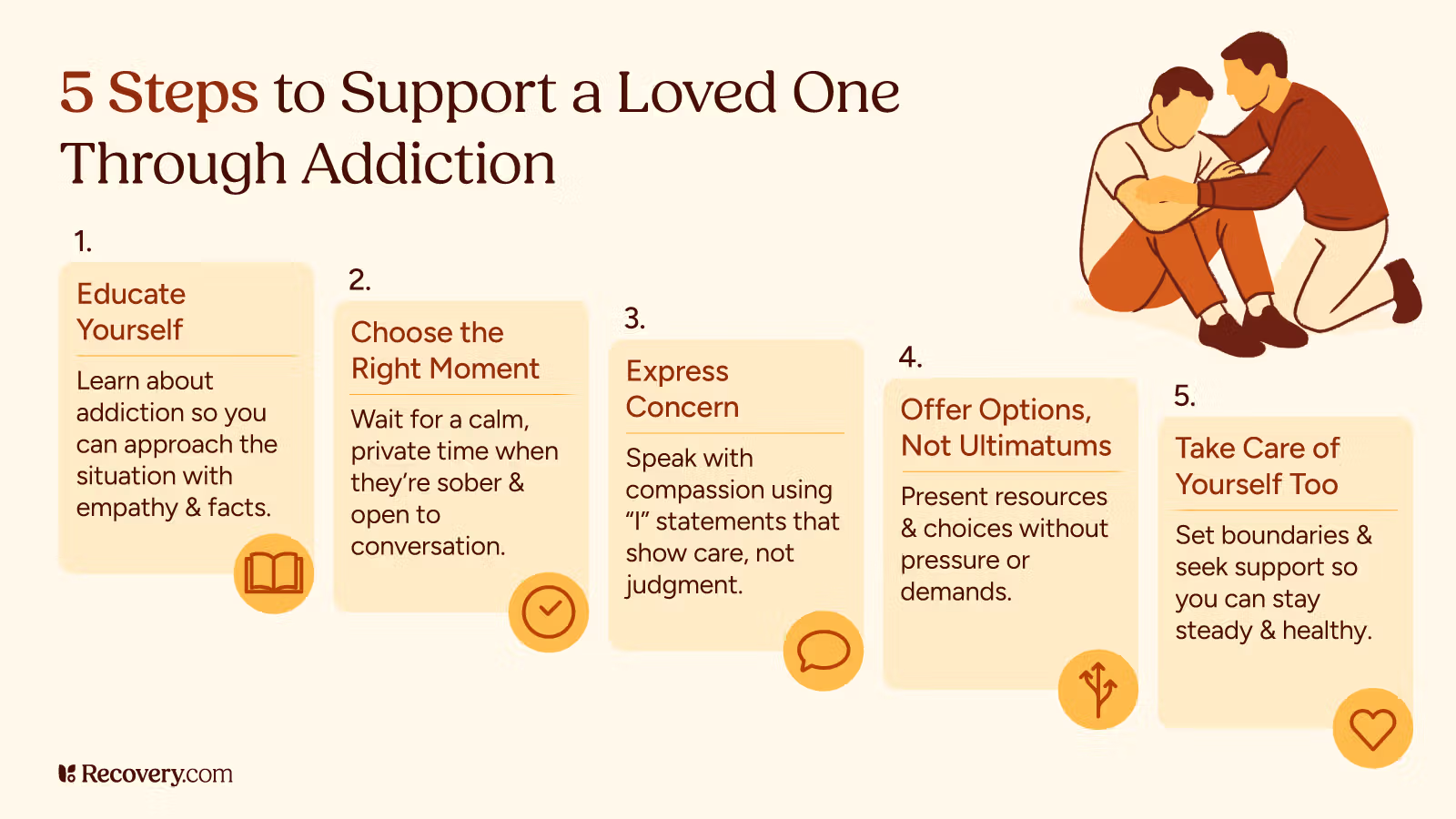
Loving someone with an addiction requires empathy, education, and strong boundaries. You might be feeling helpless, but there are things you can do.
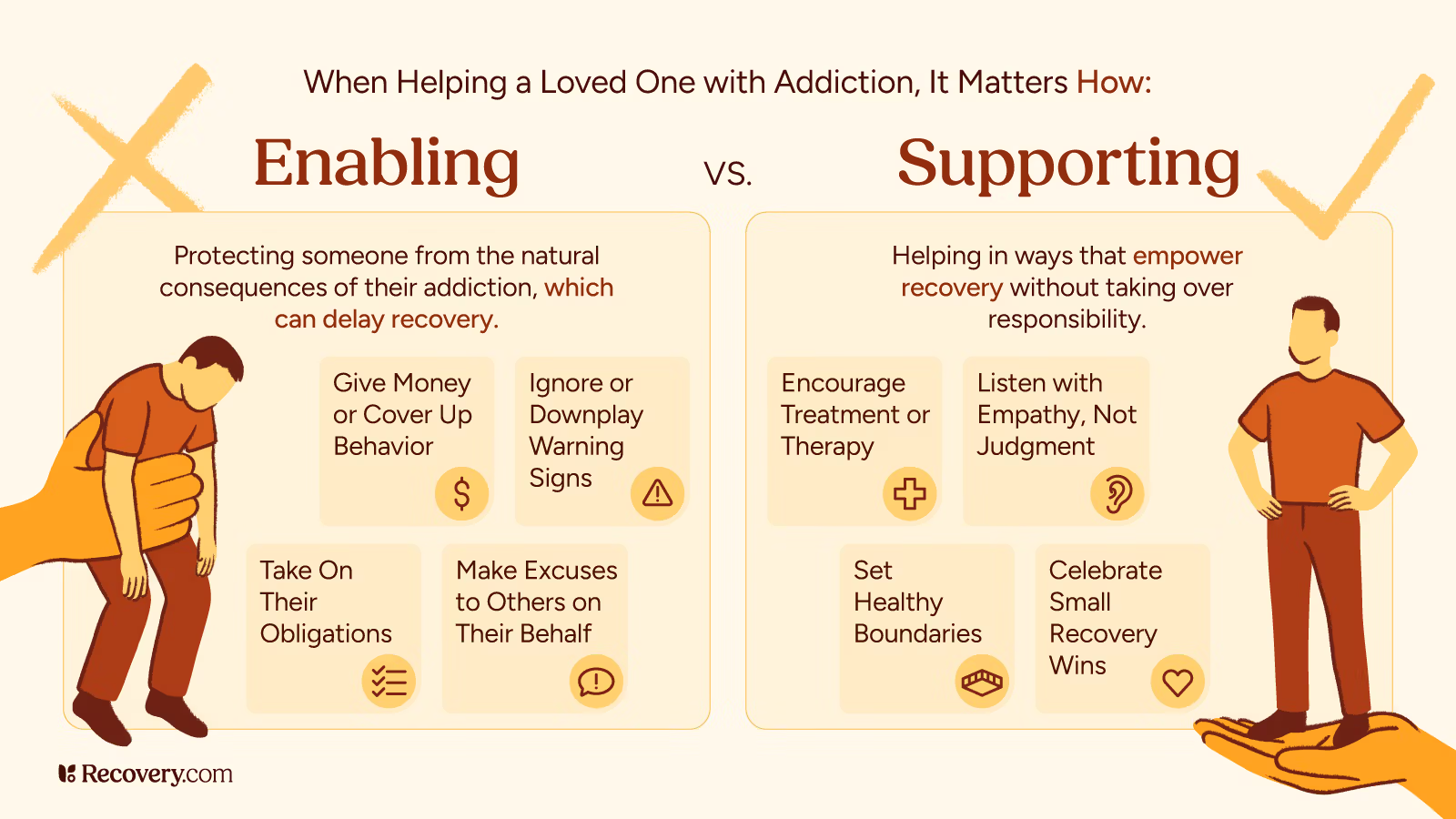
5. Understand how to talk to someone about their addiction
To have the best outcome, choose a calm, private setting and use non-threatening language.
“First, we need to listen to our loved ones well and listen for language that might indicate that they are getting tired of the way things are. Then we validate that and ask them what it might look like to do something different. ‘What step do you think you might be able to take to move forward?’…We need to be patient and let them feel like they have agency in these decisions. Walking with them while they figure things out is critical. And of course, we can’t do that if we don’t have boundaries. I love language such as ‘say more about that,’ or ‘Can you tell me more?’ or ‘I’m trying to understand. Can you explain?’ Just listen and be curious because they know what they need and will often come to the conclusion themselves.” – Pam Lanhart (Founder and Director of Thrive Family Recovery Services)
6. Decide when and how to encourage treatment
Present options like speaking with a mental health professional or healthcare provider; consider inpatient or outpatient addiction treatment programs; exploring evidence-based option such as behavioral therapy, medication-assisted treatment, detox, or other types of medical treatment; encouraging holistic wellness and recovery support services.
7. Know what to do if they refuse help
Refusal doesn’t mean you should give up. Harm reduction strategies can keep your loved one safer, sometimes easing cravings, while leaving the door open for change: Encourage safer practices (like not mixing substances and using clean supplies), stay emotionally available without enabling, and know your limits and take care of yourself.
8. Get familiar with resources for families and friends
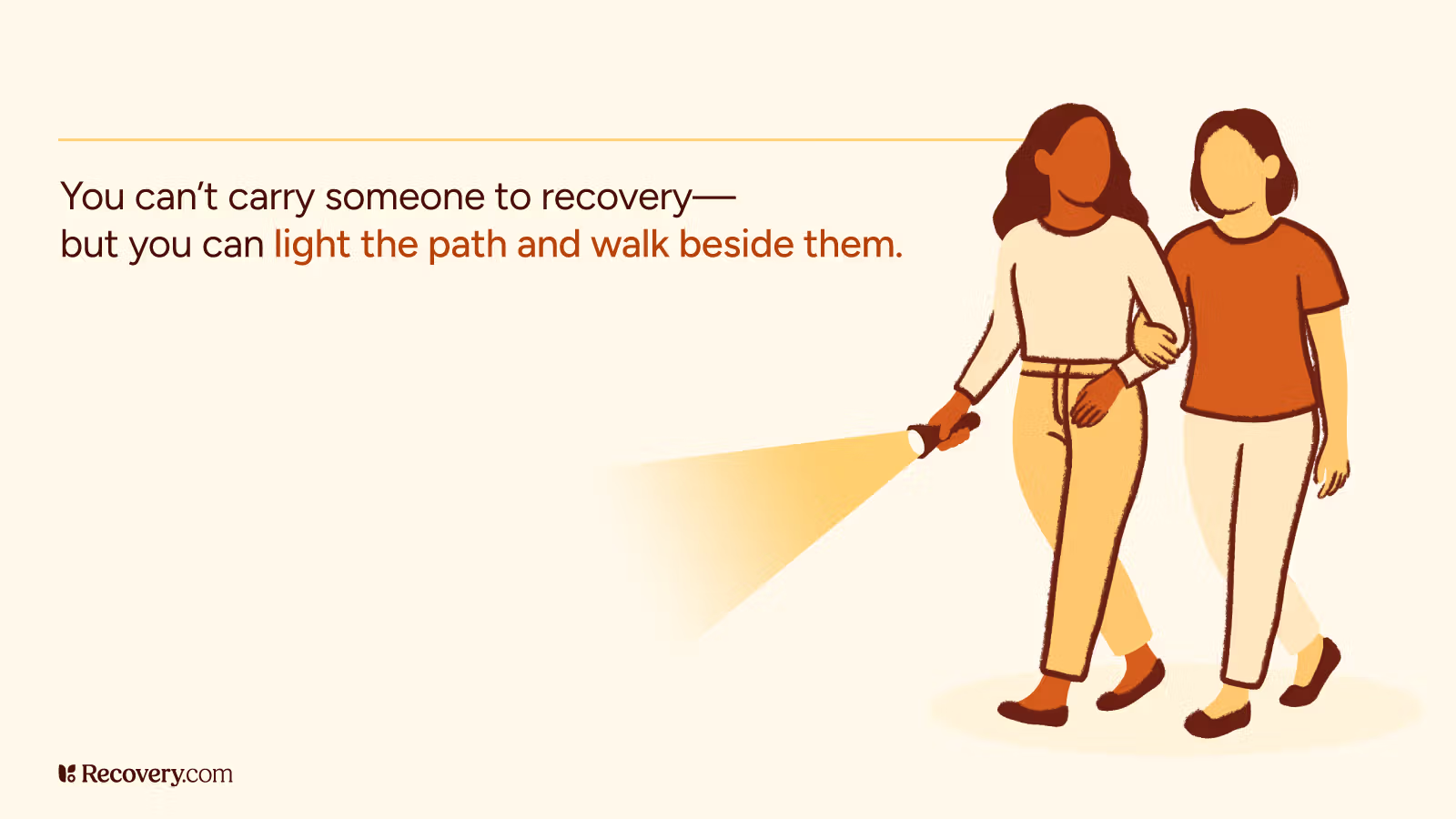
Support services exist for those affected by a loved one’s addiction. You are not alone. Helping someone with drug use, drug addiction, or alcohol use isn’t about fixing them—it’s about walking beside them, with compassion and hope. Whether they’re seeking professional help or resisting treatment options, your role matters. Take steps to protect your own well-being, stay informed, and know that recovery is possible for your family member—even when the road is long.Helping someone with drug use, drug addiction, or alcohol use isn’t about fixing them—it’s about walking beside them, with compassion and hope. Whether they’re seeking professional help or resisting treatment options, your role matters. Take steps to protect your own well-being, stay informed, and know that recovery is possible for your family member—even when the road is long.
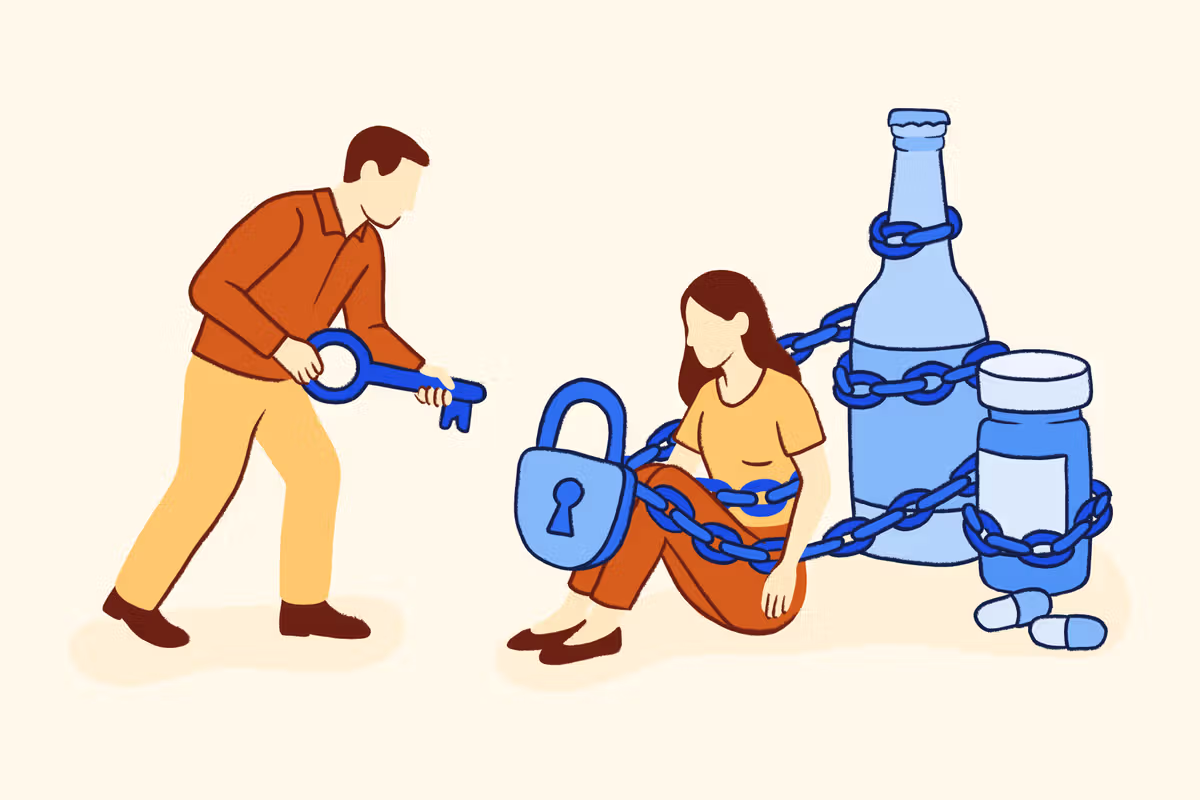
Helping someone with drug use, drug addiction, or alcohol use isn’t about fixing them—it’s about walking beside them, with compassion and hope. Whether they’re seeking professional help or resisting treatment options, your role matters. Take steps to protect your own well-being, stay informed, and know that recovery is possible for your family member—even when the road is long. #mentalhealth #addiction #support #NotAlone #community
How can I donate?

Buy on Amazon?

 The PEACH Pit