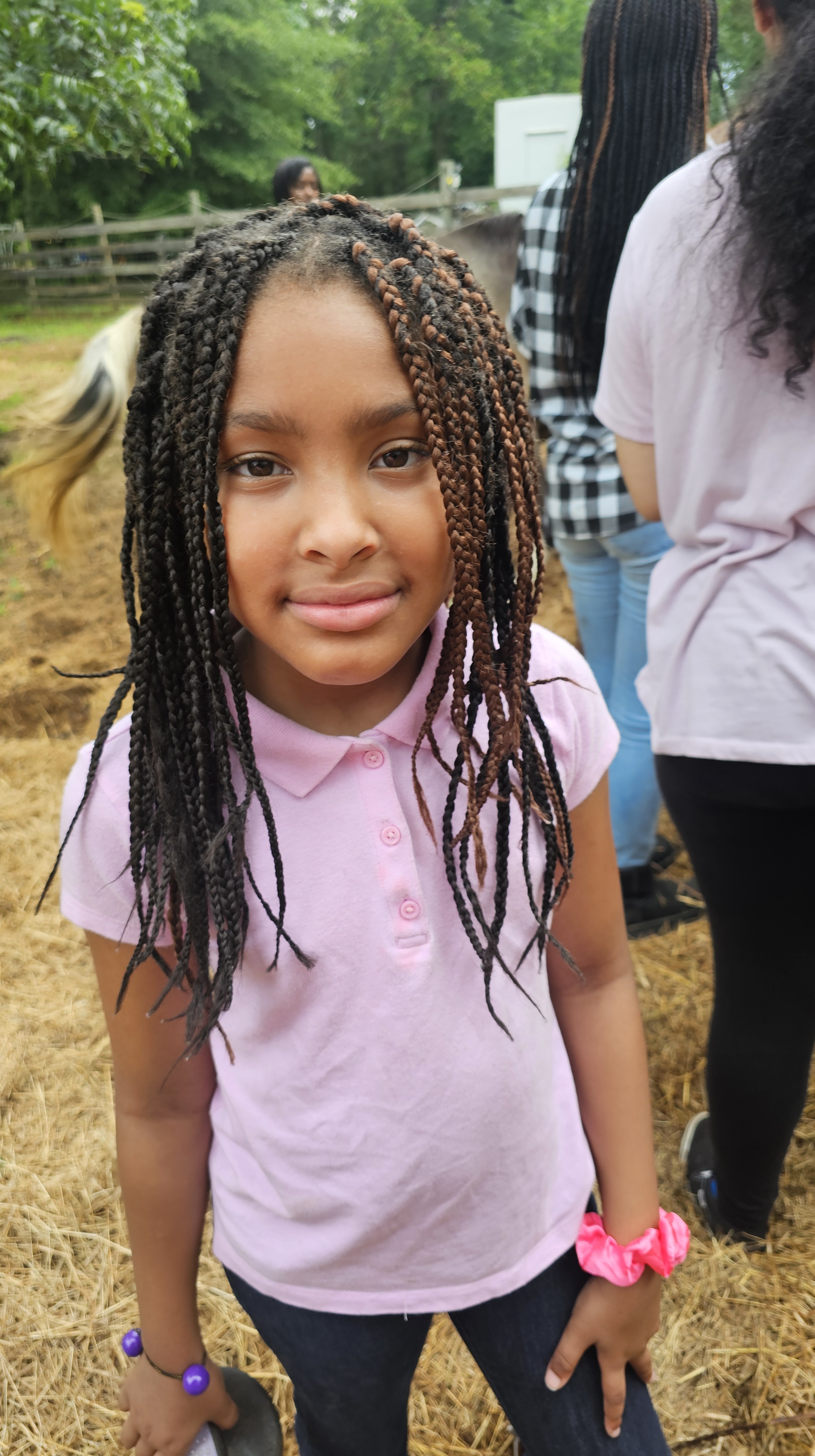
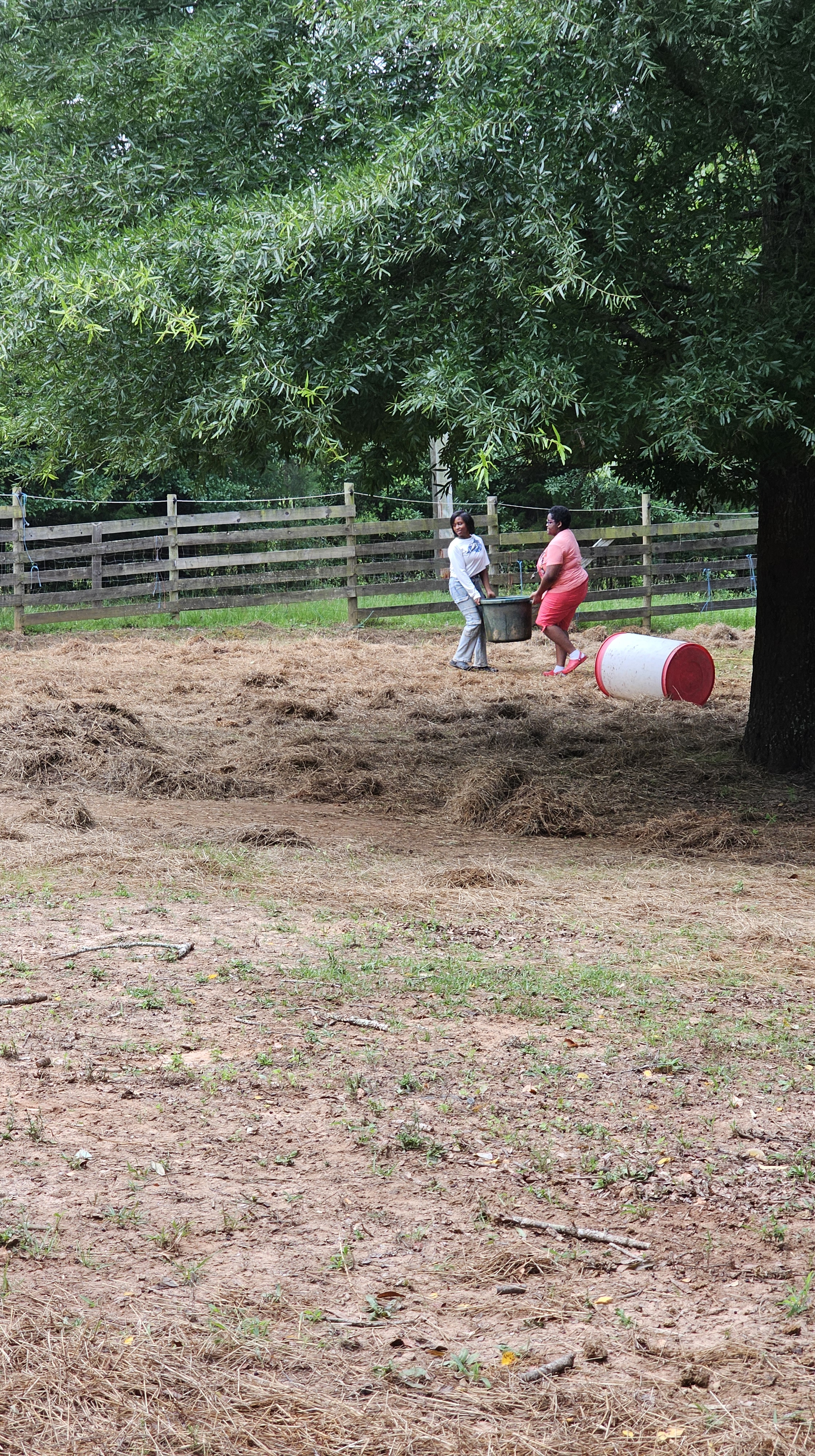
**🌸 RISING YOUNG WOMEN: A Girls Empowerment Collective 🌸**
💖 Calling all girls ages **10–19** across Middle Georgia!
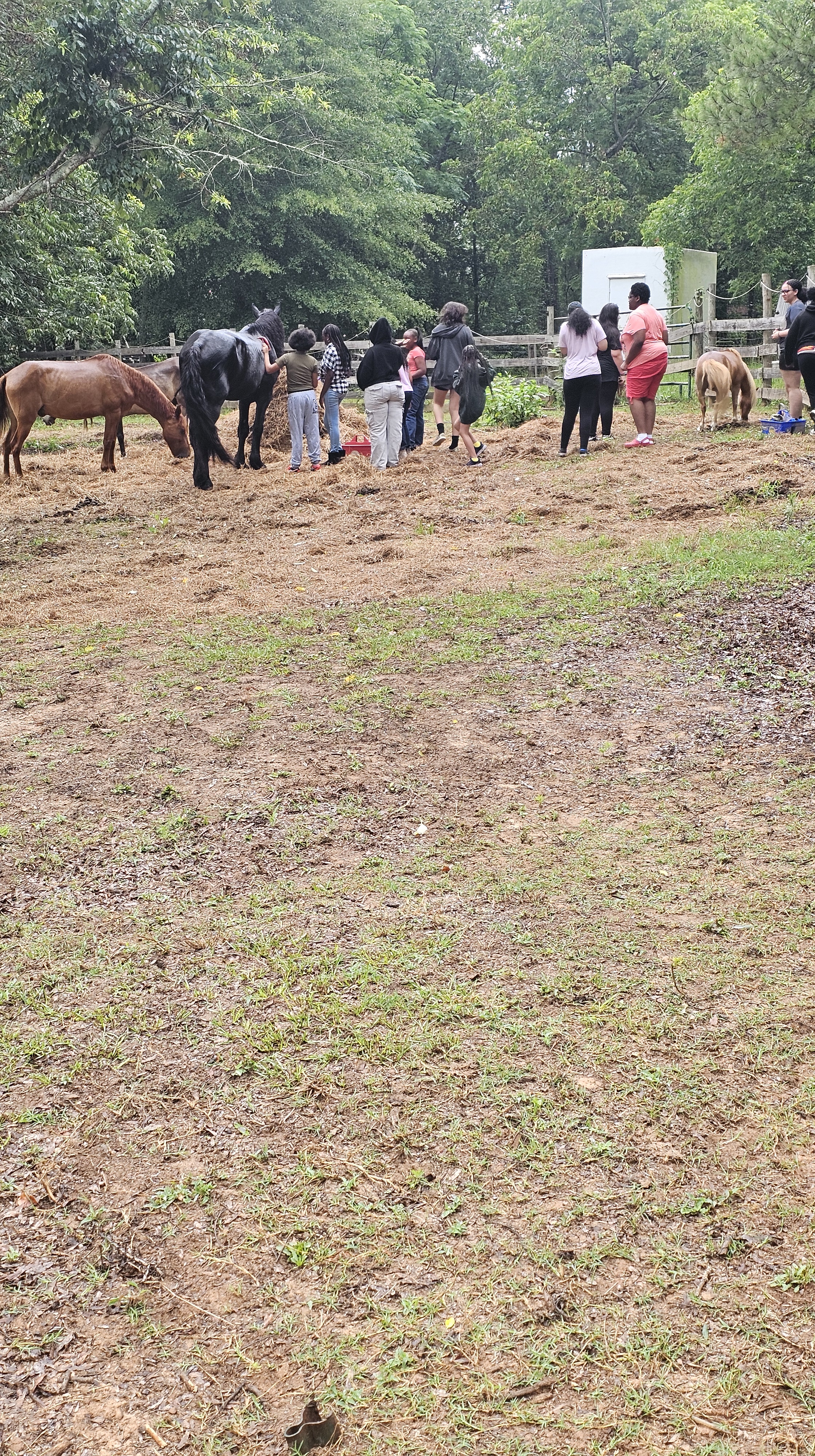
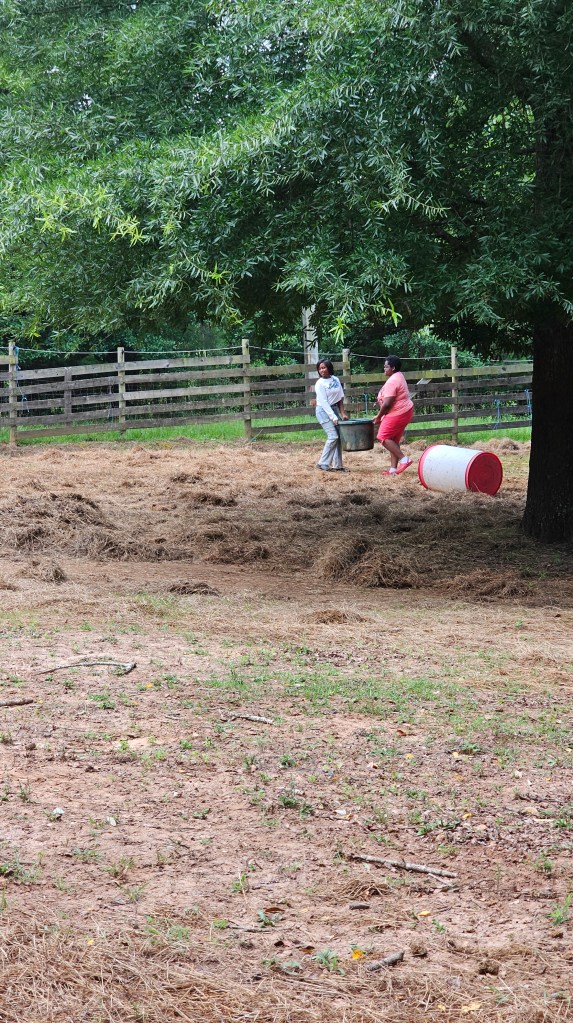
Join us **ONE Saturday each month** from **10:00 AM – 1:00 PM** for a day of confidence-building, leadership, friendship, and healing through horses. Together, we’ll laugh, learn, grow, and discover the strength that’s already inside of you!
📍 **118 W. Church Street, Fort Valley, GA 31030**
🍎 **Want to support our girls?** Food, drinks, snacks, and meal donations are always appreciated to help us provide a welcoming experience for every participant. Every donation makes a difference!
📞 For more information or to donate:
**Gwendolyn McLeod**
📱 (478) 827-3224
📧 [info@thepeachpitgeorgia.org](mailto:info@thepeachpitgeorgia.org)
✨ **One Saturday. One Sisterhood. Endless Possibilities.** 💕
#RisingYoungWomen #GirlsEmpowerment #MiddleGeorgia #ThePEACHPit #HealingThroughHorses #GirlPower #CommunitySupport #EmpowerTheNextGeneration

Respect: is defined as treating others as you want to be treated; to hold yourself, others, and property with high regard. (Respect is the hub of all interactions in a healthy relationship. Without it, there is no real intimacy or connection.)
Responsibility: is the cost of a privilege. (In today’s society, this would be being able to own a home, wearing fashionable clothing, driving a late model car, dining out for convenience or pleasure, having the latest technology for entertainment, etc.) This same false sense of entitlement is sometimes seen in relationships in children and adults who choose to ignore or even fail to understand the “cost of the privilege(s)” they enjoy in their relationships, and thereby jeopardized their relationships at home, school, work and in the community.
Relationship Skills: Verbal and nonverbal communication (like eye contact, smiling, friendly body language, saying “hello,” shaking hands or calling people by their name) is used to reveal that a person desires to establish or maintain a relationship with another person. These powerful, yet simple skills give children and adults alike the means to open the doorway to interact with new people or to show those they are already know that the relationship is alive and thriving. Possession of these skills is vital to relationships within families and marriages and in schools, work places, and communities.
Boundaries: Visible and invisible lines that tell us where our rights, responsibilities, and power start and stop. (It is only as one has a clear understanding of physical, emotional, sexual, and spiritual boundaries the tone can achieve satisfying and nurturing relationships with one’s self, family, friends and in marriage, work, and community). In any situation, boundaries help us understand where our rights, responsibility and power start and stop, therefore, free us from codependence, victimization, abuse, and anarchy in our homes, community and world.
Empathy: Reading the feelings of another and responding responsibly. When a person experiences the accurate reading of his/her feelings and a responsible response from another being (including a horse), validation, significance, and empowerment result. When a person perceives that his/her feelings are not recognized and validated, alienation, loneliness, insignificance, anger, and despondency may result.
Choices and Consequences: Much of the world is focused on their immediate choice before them, rather than on the consequence or outcome they desire. (In fact, many people are often unaware that they are even making choices). Choice – the act of choosing; selection. Consequence – the result or outcome of a choice. Constant attention must be paid to the results or outcomes one wants in life (good friends, health, education, a loving family, fulfilling career, etc.) and then deliberate choices made to bring about those desired outcomes.
Source: Power Tools for Living by Robert Magnelli and Nancy Magnelli; EAGALA, 2011
Everyone feels sad or low, but these feelings usually pass. Depression is different and has severe symptoms that affect how people feel, think, and act. Learn the signs and symptoms of depression, how it is diagnosed, treatments, and ways to get help. https://go.nih.gov/0uqAIBh #shareNIMH


Hey All!
The transition from military service to civilian life presents unique challenges for Veterans. Adjusting to new routines, workplaces and social environments can be stressful and many Veterans face mental health concerns, including anxiety, depression and PTSD. Providing structured support during this period is essential for promoting well-being, independence and successful reintegration.
Key challenges during the transition include navigating employment opportunities, accessing healthcare, reconnecting with family and establishing a sense of purpose outside of service. Social support networks, community programs and Veteran-specific resources play a critical role in easing these transitions. Access to mental health services, mentorship and career development initiatives has been shown to improve outcomes for returning servicemembers.
Organizations that provide trauma-informed care, peer support and skills-based programs are especially effective in addressing both emotional and practical needs. Programs such as equine-assisted psychotherapy, vocational training and counseling services can help Veterans manage stress, rebuild confidence and develop coping strategies for daily life.
Communities and families also have an important role in creating supportive environments. Encouraging open dialogue, fostering understanding of military experiences and connecting Veterans to resources reinforces stability and promotes positive adjustment.
Supporting Veterans is not a short-term effort but a sustained commitment. When organizations, communities and families collaborate to provide comprehensive support, Veterans are better equipped to navigate civilian life successfully, maintain mental wellness and thrive beyond service.
Thank you for your service, Veterans. Now, let your community give back to you. Call us at 478-827-3224.
No Veteran should ever feel alone.
In the military, we learned to rely on each other. Now we’re out, and that hasn’t changed. We all need help sometimes, but do you know when your buddies need help?
Join the Veteran community to contact a buddy during Buddy Check Week, and encourage others to check in with their battle buddies or rekindle old friendships, too.
Reach out to your Veteran friend. Talk about your family, where you live now, how life has changed since you were back on base or on post together.
Buddy Check Week runs through Saturday, continuing the mission of building meaningful peer-to-peer connections, reducing isolation, and improving access to both VA and community-based resources.
Take the pledge to contact up to 10 Veterans.
Take the training to learn how to do a buddy check and recognize warning signs of a buddy in distress. The video walks you through what to say, how to listen, and how to connect someone to help when they need it most.
Find buddies. Join TogetherWeServed and RallyPoint to ask questions and share stories about connecting with peers, friends, families from service.
If you’ve lost touch with a Veteran friend, use this week as an excuse to reconnect. Encourage others in your sphere to reach out, too — whether through a phone call, visit, or text. Either one can open doors to healing, strengthen protective factors, and connect them to the care they need.
Here are some resources to share with Veterans (or for you to use, if you need them):
Together, we can help ensure no Veteran feels alone, and that every Veteran knows support is just one conversation away. Take the Pledge to #TalkToTen